
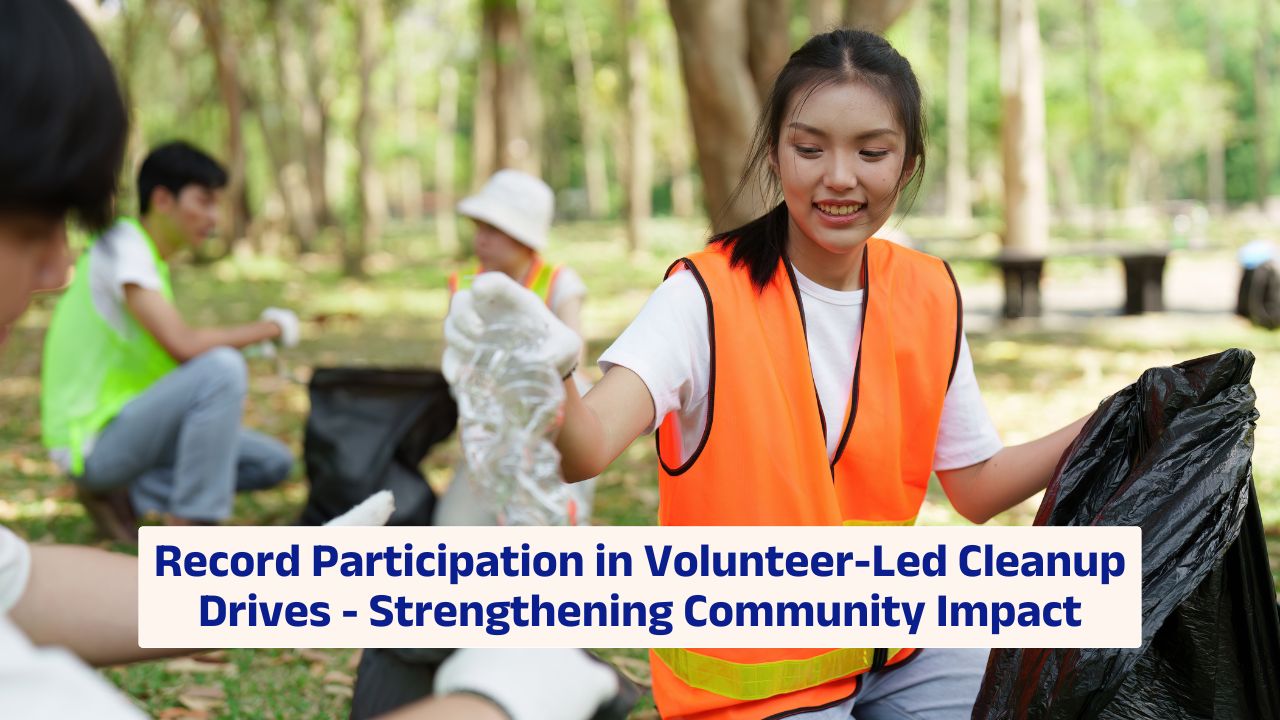
Volunteer led cleanup drives are drawing unprecedented public participation, reflecting a renewed sense of civic responsibility and environmental awareness. Across cities, suburbs, and rural communities, residents are stepping out in record numbers to remove litter, restore public spaces, and protect local ecosystems.
What was once a modest grassroots effort has evolved into a coordinated movement supported by municipalities, nonprofits, and local businesses.
| Key Point | Details |
|---|---|
| Record Turnout | Communities report highest volunteer numbers in years |
| Environmental Impact | Tons of waste removed from parks, rivers, and streets |
| Youth Engagement | Strong participation from schools and student groups |
| Corporate Support | Local businesses sponsor equipment and logistics |
| Long Term Benefits | Improved public spaces and stronger civic bonds |
Community Surge
Municipal officials across several regions report that cleanup events are reaching capacity within days of announcement. Neighborhood associations, environmental clubs, and faith based organizations are coordinating schedules to accommodate growing interest.
National initiatives such as Keep America Beautiful have observed increased engagement in local chapters, while global campaigns like World Cleanup Day continue to amplify awareness through coordinated international efforts.
This surge reflects more than seasonal enthusiasm. It signals a broader cultural shift toward hands on environmental stewardship.
Environmental Gains
The tangible outcomes of these drives are substantial. Volunteers remove plastic waste from waterways, clear illegal dumping sites, and restore neglected green spaces. In many cities, cleanup teams have reported collecting several tons of debris in a single weekend.
Cleaner public spaces contribute directly to improved urban health. Reduced litter lowers the risk of blocked drainage systems, prevents contamination of soil and water, and deters pests. Parks and trails become safer and more welcoming, encouraging outdoor activity and community interaction.
Local governments often complement volunteer efforts with recycling programs and educational campaigns to address waste reduction at its source.
Youth Involvement
One of the most notable trends is the strong participation of young volunteers. Schools are integrating environmental service projects into academic programs, while student led organizations are organizing independent cleanup initiatives.
This early exposure to civic responsibility fosters long term engagement. Students not only collect litter but also learn about waste management systems, recycling practices, and environmental policy. Educators report that practical involvement strengthens classroom discussions about sustainability.
Youth participation also brings energy and visibility to cleanup campaigns, often amplified through social media platforms.
Business Role
Corporate participation has expanded alongside volunteer turnout. Local businesses provide gloves, trash bags, refreshments, and promotional support. Some companies encourage employee volunteer days, integrating environmental service into corporate social responsibility strategies.
This partnership model reduces logistical burdens on municipalities while reinforcing community ties. Businesses benefit from positive public perception, and communities gain additional resources and organizational support.
Such collaborations demonstrate how public and private sectors can align around shared environmental goals.
Lasting Impact
Record participation in volunteer led cleanup drives produces benefits beyond immediate waste removal. Residents who work side by side often develop stronger neighborhood connections and a deeper sense of shared responsibility.
Communities that maintain consistent cleanup schedules report sustained improvements in cleanliness and reduced repeat littering. Visible collective action can shift social norms, making littering less socially acceptable.
As participation continues to grow, volunteer cleanup drives are evolving from occasional events into recurring civic traditions. Their success highlights the power of collective effort in protecting local environments and strengthening community identity.
The rise in volunteer led cleanup participation demonstrates that environmental stewardship resonates deeply at the local level.
When residents, students, businesses, and civic groups collaborate, public spaces become cleaner, safer, and more vibrant, reinforcing the idea that meaningful change often begins with community action.
FAQs
Why are cleanup drives growing?
Increased environmental awareness drives turnout.
Who joins these cleanup events?
Residents, students, and local businesses.
What areas are typically cleaned?
Parks, rivers, streets, and public spaces.
Do businesses support these drives?
Yes, many provide supplies and volunteers.
What are long term benefits?
Cleaner spaces and stronger community bonds.