
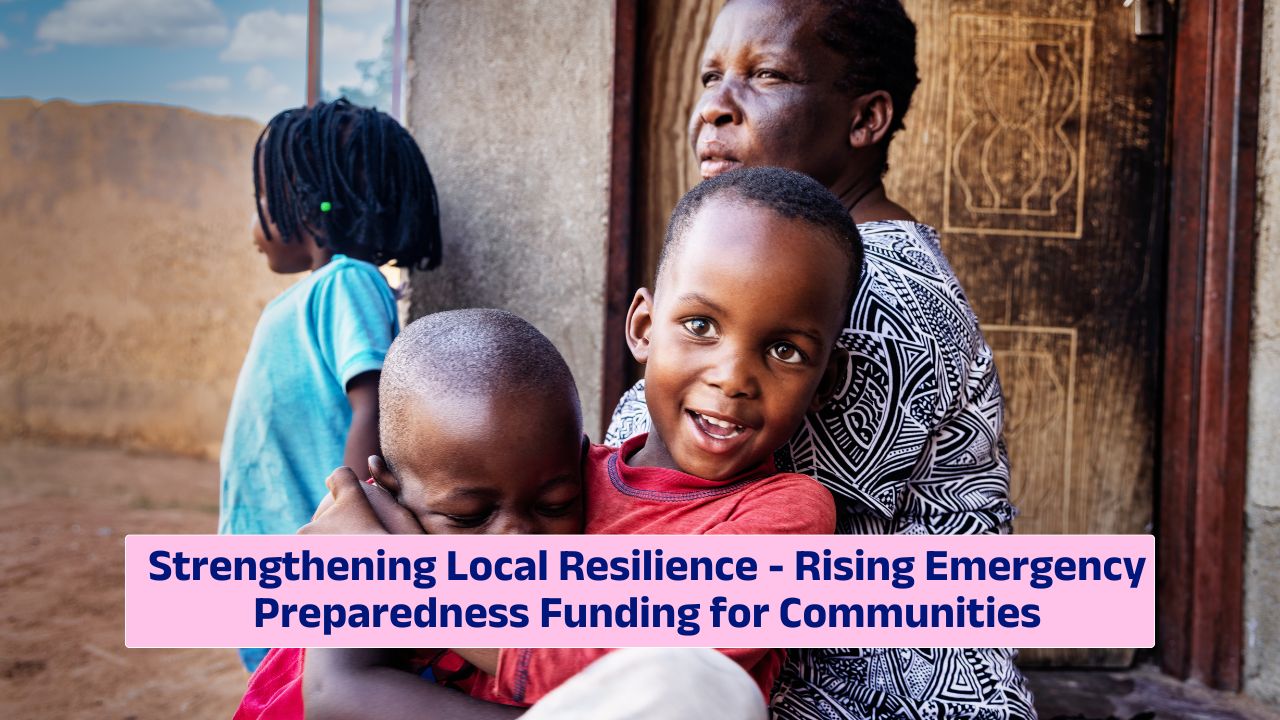
Emergency preparedness funding has moved to the forefront of local governance as climate volatility, severe weather events, and public health emergencies strain community resources. Municipal leaders are no longer treating disaster response as an occasional crisis expense. Instead, they are embedding preparedness into long term financial planning, infrastructure design, and public health systems.
| Key Point | Details |
|---|---|
| Federal Expansion | Broader grant programs focused on mitigation and resilience |
| Infrastructure Upgrades | Investment in levees, drainage, power grids, and shelters |
| Health Preparedness | Enhanced disease surveillance and emergency capacity |
| Equity Requirements | Inclusion of underserved communities in funding plans |
| Economic Protection | Mitigation reduces long term recovery and insurance costs |
Policy Shift
Emergency management strategy has evolved from reactive relief toward proactive risk reduction. Federal agencies now emphasize pre disaster mitigation, encouraging local governments to identify vulnerabilities before catastrophic events occur.
Programs administered by the Federal Emergency Management Agency reflect this approach. Through initiatives outlined in FEMA mitigation grant programs, communities can secure funding for flood barriers, seismic retrofits, wildfire risk reduction, and stormwater infrastructure improvements.
Eligibility often requires updated hazard mitigation plans. This requirement ensures that projects are grounded in risk assessments rather than short term political priorities. States frequently supplement federal allocations, creating layered funding streams that make large scale infrastructure upgrades more attainable for smaller municipalities.
Infrastructure
Hard infrastructure absorbs a substantial share of increased preparedness funding. Aging levees, outdated drainage systems, and vulnerable power grids have demonstrated their fragility during hurricanes, floods, and winter storms.
Communities in coastal regions are elevating roads and reinforcing seawalls. Inland towns prone to flash flooding are redesigning stormwater systems to handle heavier rainfall. Western states facing persistent wildfire threats are investing in vegetation management and fire resistant public buildings.
These improvements are practical and measurable. Strengthened infrastructure limits service disruptions, reduces property damage, and protects essential facilities such as hospitals, schools, and emergency shelters.
Health Security
Public health preparedness has become a parallel priority. Recent health crises exposed weaknesses in laboratory capacity, supply chain coordination, and real time data reporting.
The Centers for Disease Control and Prevention outlines core preparedness standards through its public health emergency preparedness framework, which guides state and local health departments in strengthening response systems.
Increased funding supports modern surveillance technology, expanded testing capabilities, and strategic reserves of essential medical equipment. Hospitals and emergency medical services also benefit from investments that improve surge capacity during periods of high demand.
The integration of health preparedness into emergency funding frameworks reflects a broader knowing of risk. Natural disasters and public health emergencies often overlap, compounding strain on local systems.
Financial Impact
Preparedness spending is increasingly viewed as fiscal discipline rather than discretionary expense. Research consistently demonstrates that mitigation investments reduce long term recovery costs. Every avoided flood, contained wildfire, or controlled outbreak translates into fewer insurance claims and lower public expenditure.
Credit rating agencies and insurers assess community risk exposure when evaluating municipal bonds and property coverage. Jurisdictions that maintain comprehensive mitigation plans and resilient infrastructure often secure more favorable financial terms.
For local governments, this creates a reinforcing cycle. Strong preparedness strategies protect residents while strengthening economic stability and investor confidence.
Community Resilience
Beyond infrastructure and fiscal strategy, funding increases reshape how communities organize themselves. Investments in early warning systems, multilingual emergency alerts, and evacuation planning improve operational clarity during crises.
Equity provisions embedded in many grant programs ensure that historically underserved neighborhoods receive targeted support. Low income communities frequently face higher exposure to flooding, extreme heat, and limited healthcare access. Directing funds toward these areas reduces systemic vulnerability.
Preparedness planning is also influencing zoning decisions and building codes. Municipalities are adopting higher elevation standards, stricter fire safety requirements, and updated land use policies that discourage development in high risk zones.
These structural adjustments extend resilience beyond individual projects. They embed safety considerations into everyday governance, creating lasting protective benefits.
Emergency preparedness funding increases signal a durable transformation in public policy. Local communities are shifting from reactive recovery toward strategic resilience, strengthening infrastructure, public health systems, and financial stability in the process.
As environmental and health related risks continue to evolve, sustained investment in preparedness will remain central to safeguarding both lives and local economies.
FAQs
Why is preparedness funding growing?
Rising disaster risks require proactive action.
Who manages most grant programs?
Federal and state agencies administer them.
What projects receive funding?
Mitigation, infrastructure, and health upgrades.
Does mitigation save money long term?
Yes, it reduces recovery and insurance costs.
Are vulnerable communities included?
Many grants require equity focused planning.