State Authorities Reassess Public Service Funding Models – Strategic Fiscal Reform Signals for Policy Leaders

State authorities reassessing public service funding models and fiscal policy strategies

Public service financing is entering a period of structural reassessment as state governments confront rising costs, fiscal pressure, and shifting citizen expectations. Traditional budget allocation models that once sustained healthcare systems, infrastructure maintenance, public safety, and social programs are increasingly viewed as inflexible in a modern governance environment. Policymakers are now examining alternative funding frameworks … Read more

Municipal Infrastructure Reviews Gain Federal Attention – Strategic Policy and Investment Implications

Municipal infrastructure reviews gaining federal attention for policy and funding evaluation

Municipal infrastructure systems are increasingly drawing federal attention as governments evaluate the condition, resilience, and long-term sustainability of local public assets. Roads, water systems, transit networks, and energy distribution infrastructure form the backbone of urban development. Yet decades of underinvestment and rising climate risks have prompted national authorities to intensify oversight and coordination with local … Read more

Community Grant Programs Enter New Oversight Phase – Regulatory Accountability and Funding Transparency Insights

Community grant programs entering new oversight phase with stronger regulatory transparency

Community grant programs are entering a new phase of governance as governments and funding institutions strengthen oversight frameworks to ensure transparency, accountability, and measurable social outcomes. These programs have long served as a vital funding mechanism for local initiatives, nonprofits, and grassroots organizations. However, increasing public scrutiny over fund allocation, impact measurement, and compliance has … Read more

Public Budget Reporting Platforms Expand Across States – Fiscal Transparency and Digital Governance Implications

Public budget reporting platforms expanding across states for fiscal transparency

Public budget reporting platforms are expanding across states as governments seek to make financial data more transparent, accessible, and knowable for citizens. Traditionally, state budgets were published in lengthy documents that were difficult for non-experts to interpret. Digital budget reporting systems are transforming this model by presenting financial information through interactive dashboards, searchable datasets, and … Read more

Local Governments Introduce New Digital Transparency Tools – Strategic Governance Signals for Public Leaders

Local Governments Introduce New Digital Transparency Tools and improve civic accountability

Local governments are moving transparency out of static PDF archives and into searchable, real-time digital systems. That shift matters because residents no longer judge openness by whether data is technically public. They judge it by whether budgets, contracts, service requests, meeting records, and policy updates can be found quickly, understood easily, and used without specialist … Read more

Citizen Feedback in Policy Design – Participatory Governance and Public Engagement Insights

citizens participating in policy consultation for participatory governance design

Public policy design has increasingly shifted toward participatory models that place citizens at the center of decision-making. Governments and regulatory institutions are now integrating structured citizen feedback mechanisms into policy development to improve transparency, accountability, and policy effectiveness. This shift reflects a growing recognition that policies developed with community insight often deliver stronger outcomes and … Read more

Federal-State Coordination in Civic Planning – Strategic Governance Insights

federal state coordination improving civic planning and urban governance strategy

Effective civic planning rarely happens in isolation. In federal systems, the relationship between national and regional governments often determines whether public infrastructure, housing, transportation, and community services develop efficiently or fall into fragmented decision-making. Strong coordination between federal and state institutions allows long-term planning to align national priorities with local realities, creating more resilient communities … Read more

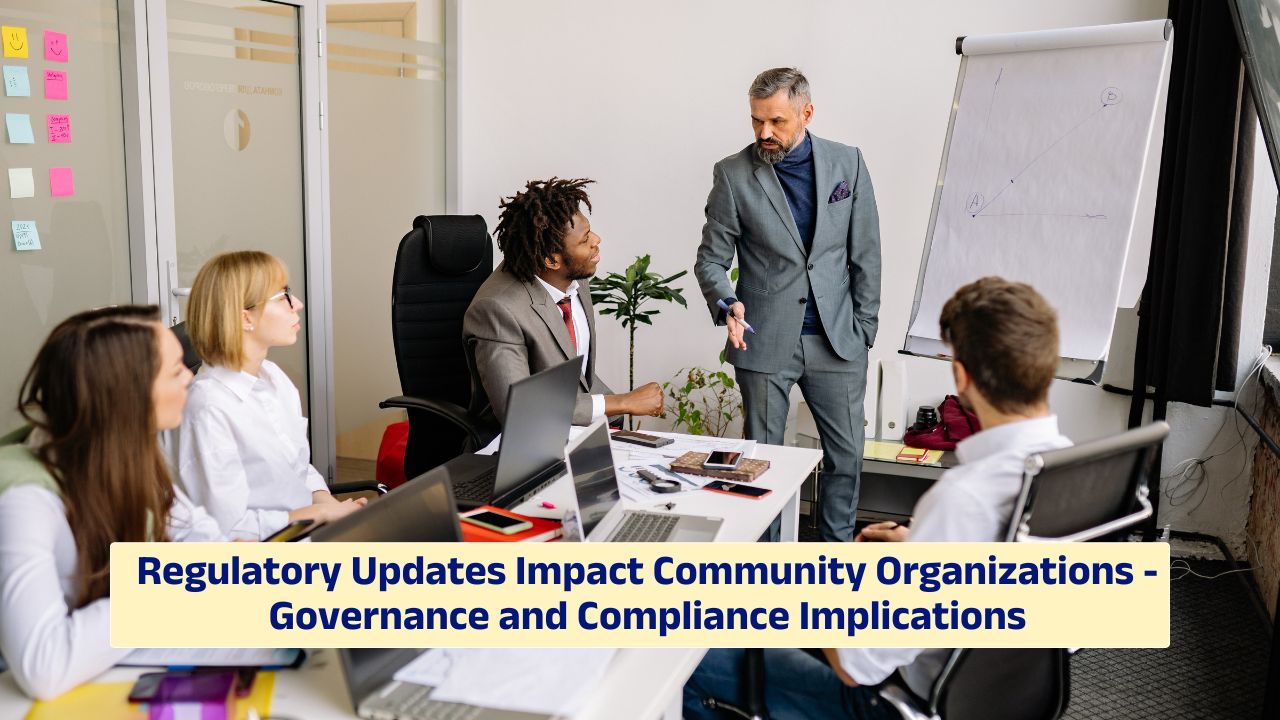
Regulatory Updates Impact Community Organizations – Governance and Compliance Implications

Regulatory updates impacting governance and funding of community based organizations

Community-based organizations operate at the front lines of social service delivery, public health outreach, and local development initiatives. As governments update regulatory frameworks across nonprofit governance, funding compliance, and reporting standards, these organizations are experiencing a period of significant operational adjustment. Regulatory updates are reshaping how community groups manage programs, secure funding, and maintain accountability. … Read more

Public Procurement Policy Revisions – Regulatory and Market Impact Analysis

Public procurement policies undergo policy revisions and regulatory modernization

Public procurement represents one of the largest channels through which governments allocate financial resources, influence markets, and drive economic priorities. When procurement policies are revised, the implications extend far beyond administrative procedures. Policy updates can reshape supplier participation, strengthen transparency standards, and introduce new regulatory frameworks that affect industries ranging from infrastructure and healthcare to … Read more