Municipal Partnerships Expand for Community Services – Strategic Governance and Local Infrastructure Impact Analysis
municipal partnerships expanding community services through collaborative local governance

Local governments are increasingly turning to municipal partnerships to expand community services and improve public infrastructure. These partnerships allow cities and towns to collaborate with nonprofit organizations, regional authorities, and private sector providers to deliver services more efficiently. As populations grow and budgets face pressure, cooperative governance models are becoming an important strategy for sustaining … Read more
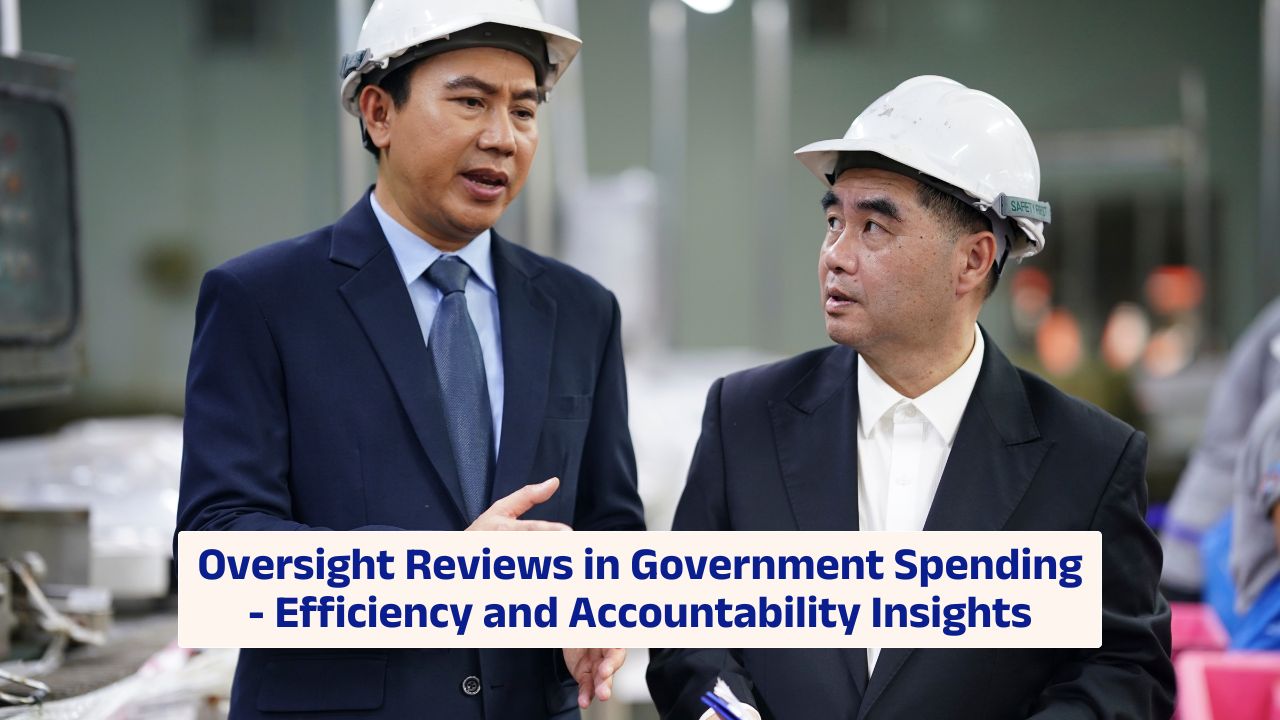
Oversight Reviews in Government Spending – Efficiency and Accountability Insights

Oversight reviews improving efficiency in government spending and fiscal accountability

Government budgets face constant pressure to deliver results while maintaining fiscal discipline. In response, oversight reviews have become an increasingly important mechanism for evaluating how public funds are allocated and whether spending programs deliver measurable value. Across many economies, these reviews are now used to identify inefficiencies, eliminate duplication, and redirect resources toward higher-impact priorities. … Read more

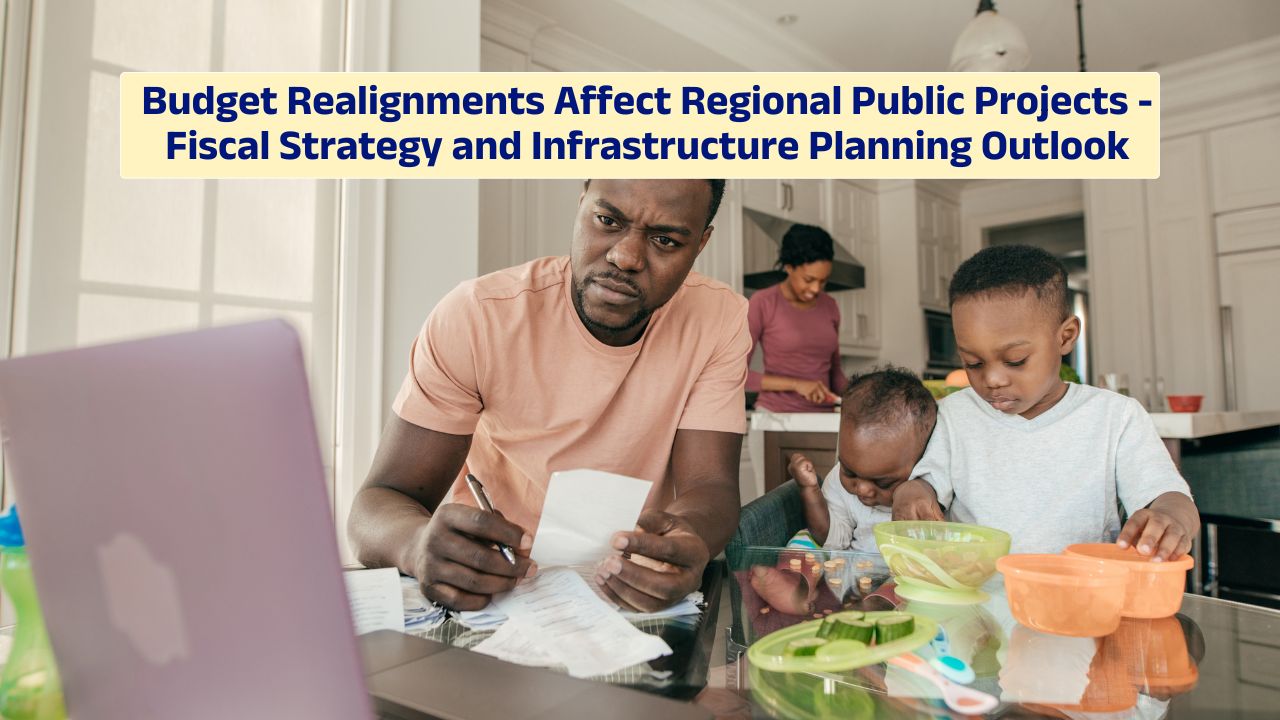
Budget Realignments Affect Regional Public Projects – Fiscal Strategy and Infrastructure Planning Outlook

Budget realignments affecting regional public infrastructure projects and government spending plans

Regional governments are increasingly adjusting budget allocations as economic pressures, policy shifts, and infrastructure priorities evolve. These budget realignments are beginning to influence the timeline and scope of public projects across transportation, utilities, education facilities, and urban development initiatives. As fiscal strategies change, policymakers must balance financial discipline with the need to sustain long-term public … Read more

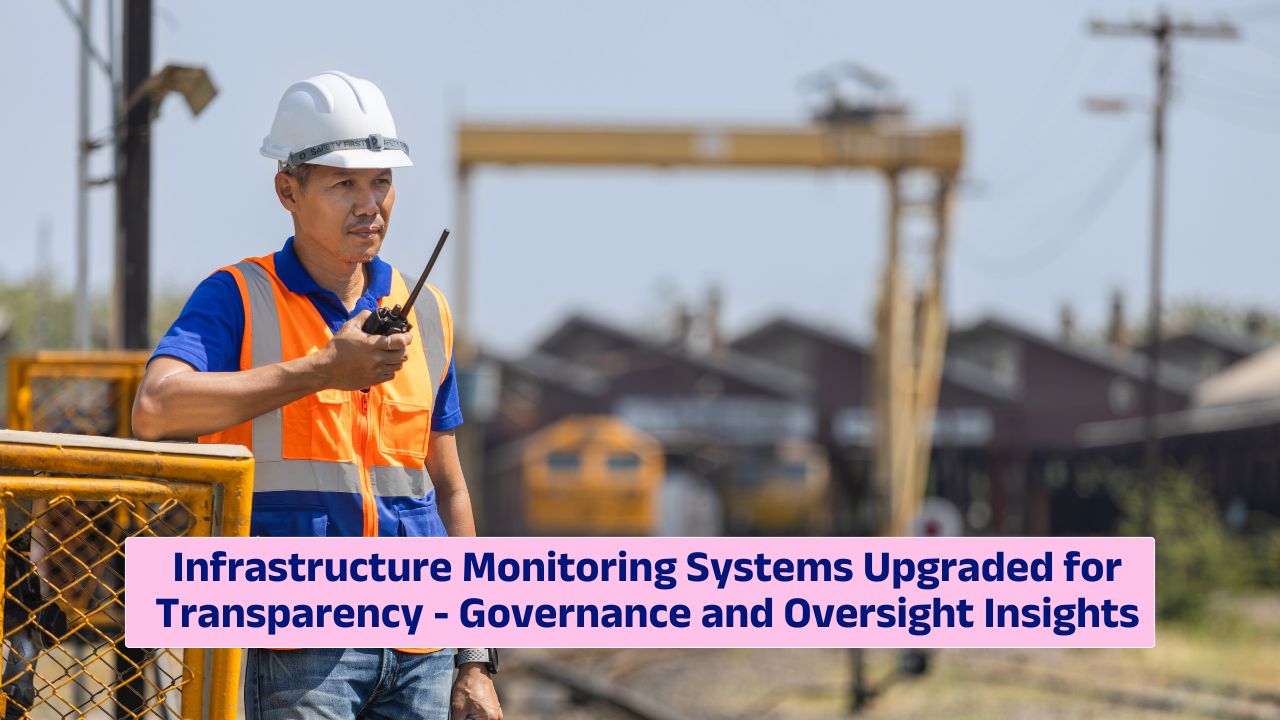
Infrastructure Monitoring Systems Upgraded for Transparency – Governance and Oversight Insights

Infrastructure monitoring systems upgraded for transparency and digital oversight

Governments and infrastructure operators are under growing pressure to make project oversight more transparent. Large-scale assets such as transportation networks, energy grids, water systems, and urban development programs require constant monitoring to ensure safety, performance, and regulatory compliance. As digital technology reshapes infrastructure management, upgraded infrastructure monitoring systems are becoming central tools for transparency, accountability, … Read more

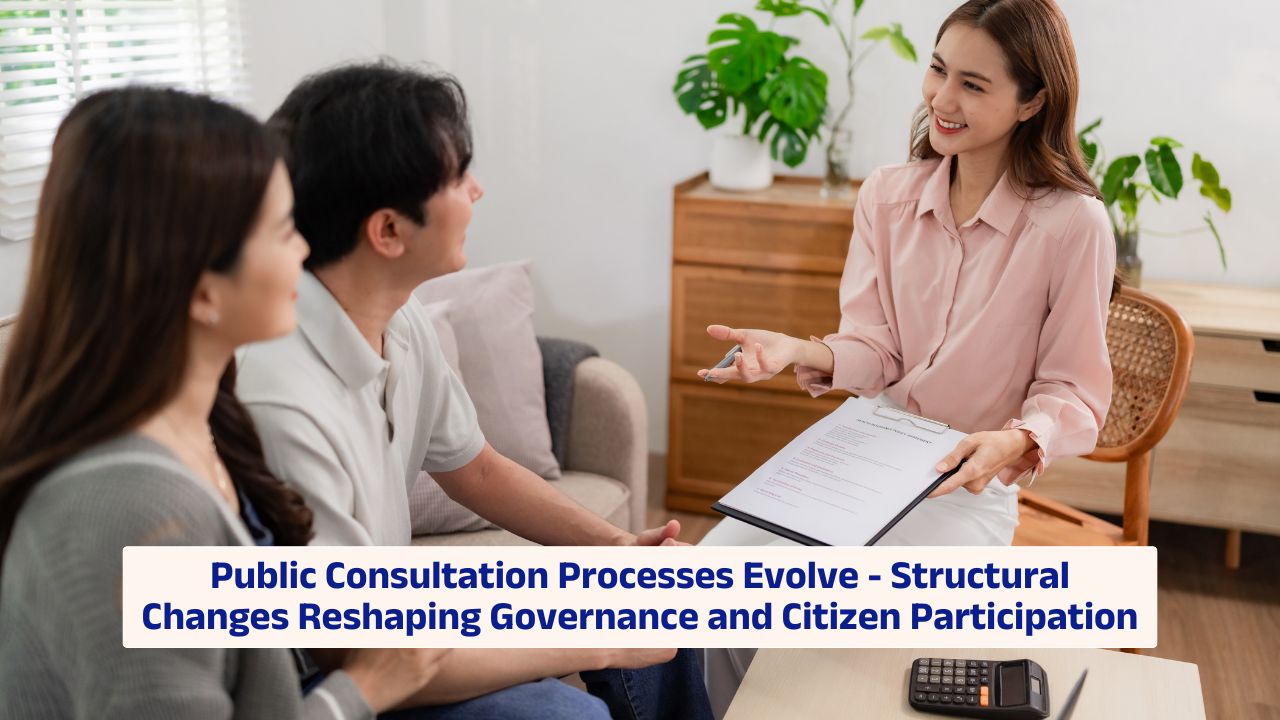
Public Consultation Processes Evolve – Structural Changes Reshaping Governance and Citizen Participation

Public consultation processes undergoing structural changes to improve participation and transparency

Public consultation processes play a vital role in democratic governance by allowing citizens, stakeholders, and institutions to contribute to policy development. In recent years, governments and regulatory bodies have begun introducing structural changes to these processes in response to evolving expectations around transparency, accessibility, and efficiency. These reforms aim to modernize how public input is … Read more

Emergency Response Funding Review – Strategic Insights for Local Authorities

Local authorities evaluating emergency response funding and preparedness strategy

Emergency response capacity depends heavily on stable public funding. When disasters strike, whether natural hazards, public health emergencies, or infrastructure failures, the effectiveness of first responders often reflects how well local authorities have invested in preparedness. Across many jurisdictions, governments are now reassessing emergency response funding to ensure that response systems remain resilient, scalable, and … Read more

Civic Data Reporting Standards Updated Nationwide – Strengthening Transparent Digital Governance

Civic data reporting standards improving nationwide government transparency and digital governance

Governments across the country are revising civic data reporting standards to strengthen transparency, improve data accuracy, and support evidence-based policymaking. Updated reporting frameworks are designed to ensure that public agencies collect, publish, and share civic data in consistent formats that can be easily analyzed by policymakers, researchers, and the public. As digital governance expands, civic … Read more

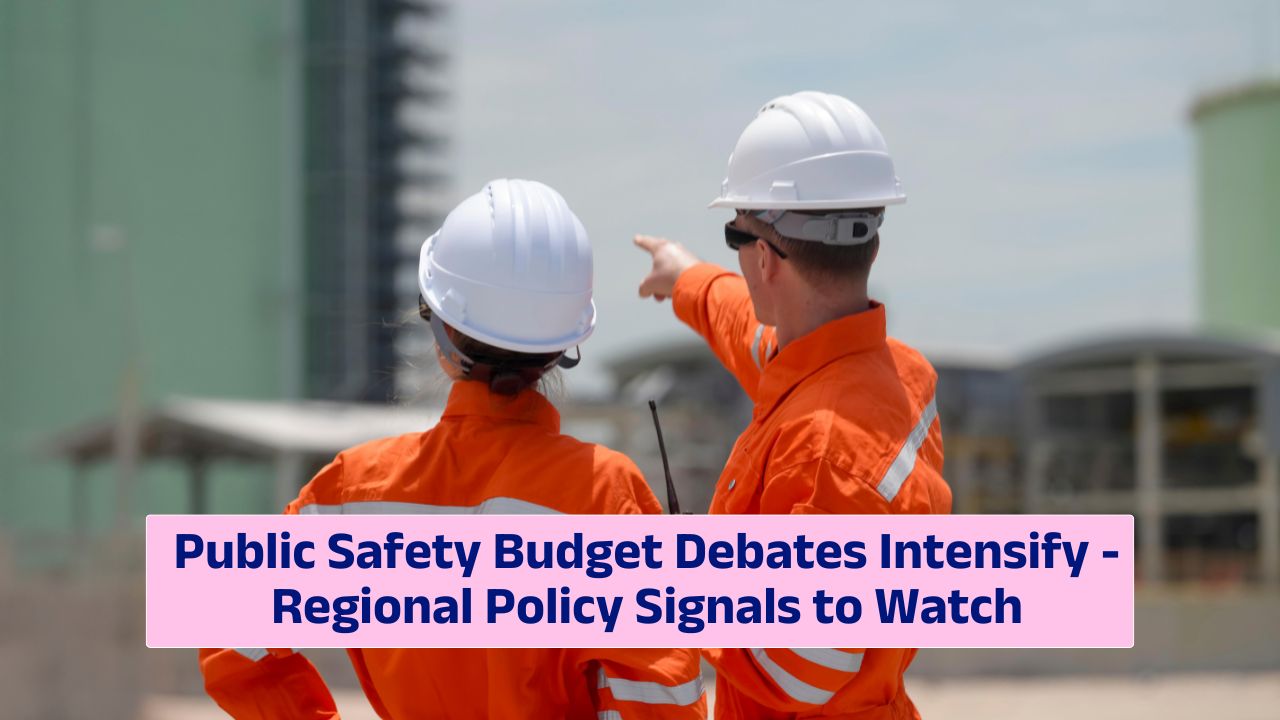
Public Safety Budget Debates Intensify – Regional Policy Signals to Watch

Public safety budget discussions shaping regional governance and emergency response policy

Public safety spending is moving to the center of regional policy debates as governments confront rising urban pressures, emergency response demands, and evolving security risks. Across several key regions, policymakers are reassessing how police funding, emergency services, disaster preparedness, and community safety programs should be financed. These discussions reflect broader fiscal pressures while also highlighting … Read more

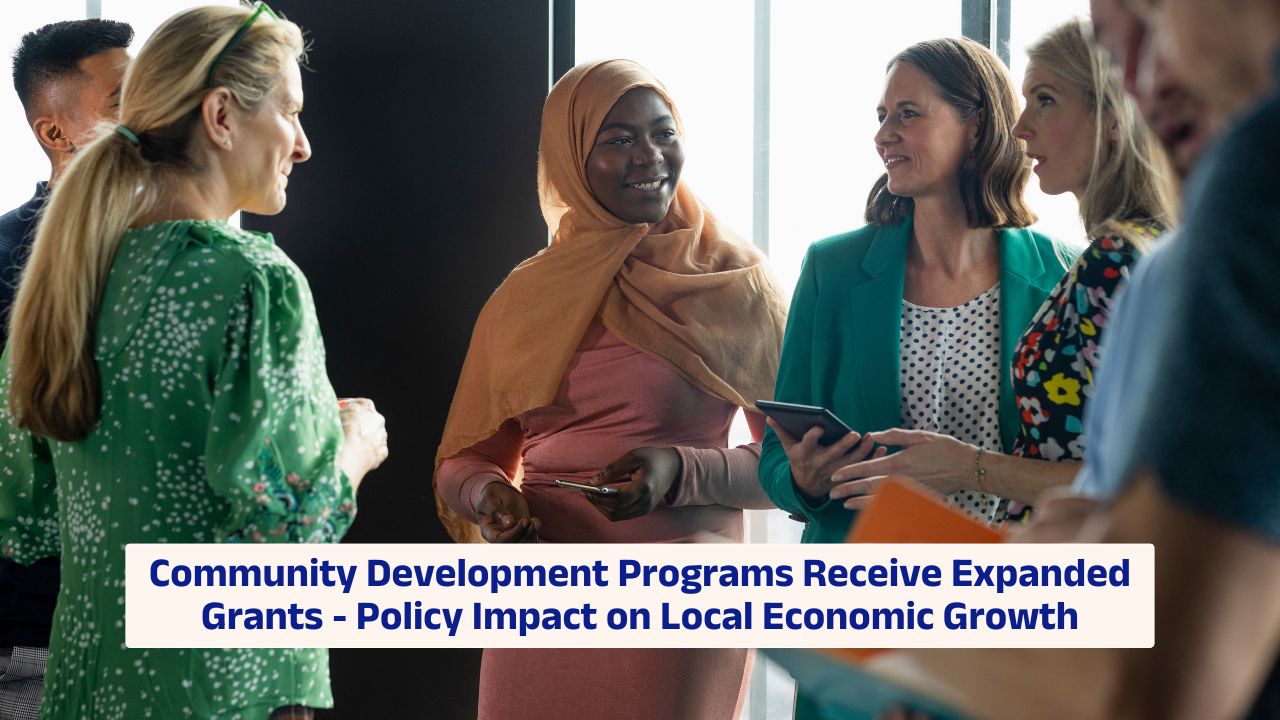
Community Development Programs Receive Expanded Grants – Policy Impact on Local Economic Growth

Community Development Programs Receive Expanded Grants supporting local economic growth

Community development programs are receiving expanded grants in 2026 as governments strengthen investments in local economic resilience, social infrastructure, and inclusive growth. Policymakers increasingly recognize that sustainable development often begins at the community level, where targeted funding can directly address housing shortages, workforce training, healthcare access, and neighborhood revitalization. Expanded grant allocations are designed to … Read more

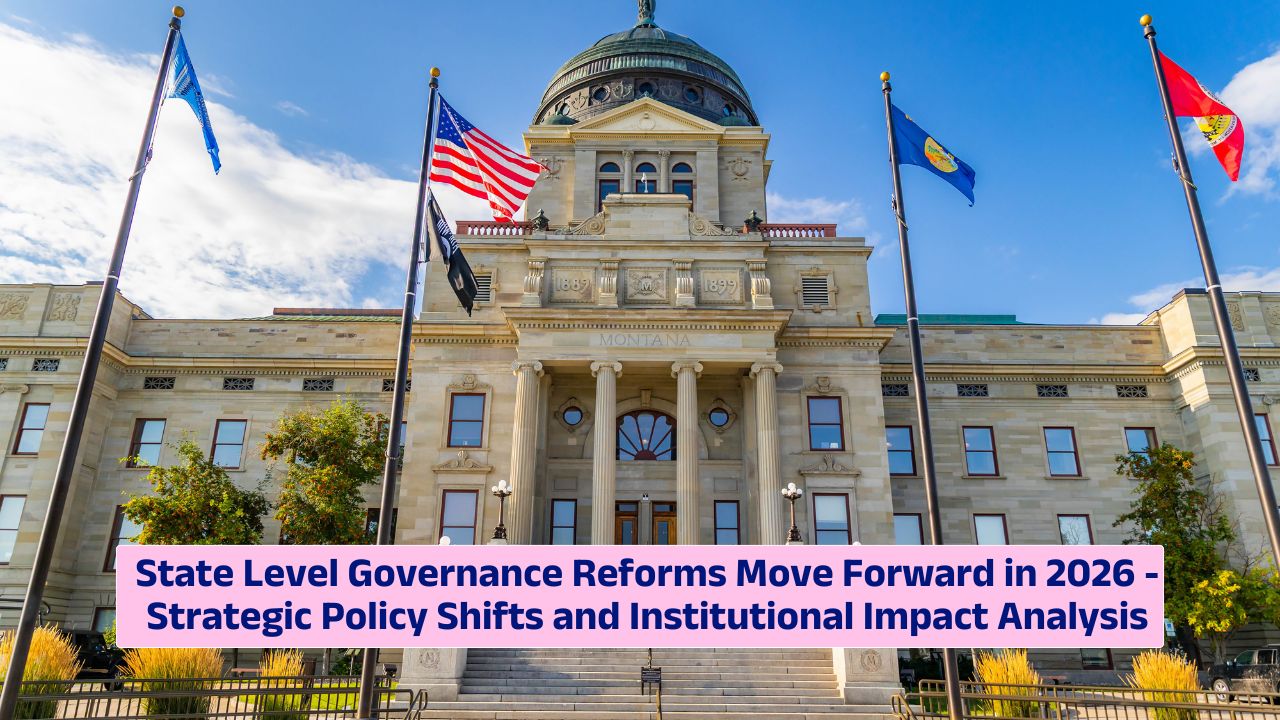
State Level Governance Reforms Move Forward in 2026 – Strategic Policy Shifts and Institutional Impact Analysis

State Level Governance Reforms Move Forward in 2026 policy modernization concept

State governments across multiple federal systems are advancing governance reforms in 2026 as public sector modernization becomes a strategic priority. Administrative efficiency, regulatory transparency, and digital service delivery now define the next phase of subnational governance. Rather than incremental adjustments, many states are introducing structural reforms that reshape how public institutions manage policy execution, citizen … Read more