
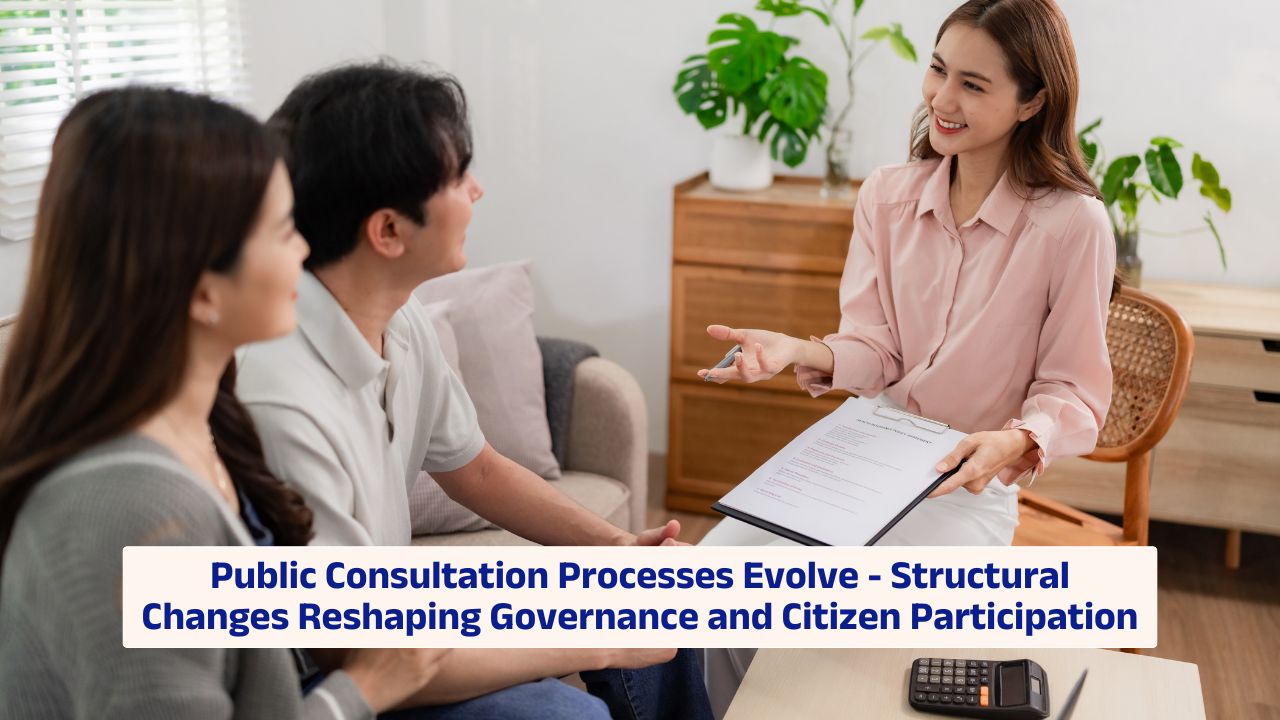
Public consultation processes play a vital role in democratic governance by allowing citizens, stakeholders, and institutions to contribute to policy development.
In recent years, governments and regulatory bodies have begun introducing structural changes to these processes in response to evolving expectations around transparency, accessibility, and efficiency.
These reforms aim to modernize how public input is collected and integrated into decision-making.
Traditional consultation models often relied on in-person hearings, written submissions, and lengthy review periods. While these approaches provided opportunities for engagement, they sometimes limited participation to individuals with the time and resources to attend formal meetings.
Structural changes are now expanding participation channels, incorporating digital platforms and streamlined feedback systems that make it easier for communities to engage with policy discussions.
| Key Point | Details |
|---|---|
| Structural Reform | Governments are redesigning consultation frameworks for better transparency. |
| Digital Platforms | Online portals allow broader participation and faster feedback collection. |
| Stakeholder Inclusion | Reforms encourage participation from communities, businesses, and advocacy groups. |
| Policy Efficiency | Improved consultation systems accelerate regulatory and policy decisions. |
| Transparency | Clear reporting ensures public input is documented and evaluated. |
Drivers
Several factors are driving the transformation of public consultation systems. Increasing public demand for transparency has encouraged governments to demonstrate how citizen feedback influences policy outcomes. Structural reforms, therefore, focus on creating clear mechanisms for recording, analyzing, and publishing consultation results.
Another key driver is the rapid expansion of digital technology. Online engagement tools allow authorities to gather feedback from a much wider audience than traditional meetings. Platforms that support surveys, open comment submissions, and virtual town halls enable governments to collect diverse viewpoints while reducing administrative burdens.
Digitalization
Digital consultation platforms are now central to many reform initiatives. Governments increasingly deploy web portals that host policy proposals, background documents, and public feedback forms in one centralized location. These platforms help citizens understand policy issues before submitting their opinions.
International governance organizations have also highlighted the importance of digital engagement. The OECD open government framework encourages governments to adopt digital participation tools that strengthen accountability and broaden civic participation.
While digitalization improves accessibility, policymakers must also address digital inclusion. Ensuring that individuals without reliable internet access can still participate remains an important component of structural reform.
Participation
Structural changes are also expanding the range of stakeholders involved in consultation processes.
Beyond individual citizens, consultations increasingly involve industry representatives, academic experts, civil society organizations, and local community groups. This broader participation helps policymakers evaluate policy impacts across multiple sectors.
Stakeholder engagement can also improve the quality of policy outcomes. By incorporating feedback from those directly affected by regulatory changes, authorities can identify potential implementation challenges early in the policy development cycle.
Transparency
Transparency remains a central objective of modern consultation reforms. Governments are increasingly publishing consultation summaries that detail how feedback influenced final policy decisions.
These reports help build public trust by demonstrating that citizen input contributes meaningfully to governance processes.
Guidance from institutions such as the United Nations Department of Economic and Social Affairs emphasizes that transparent consultation systems strengthen democratic accountability and improve policy legitimacy.
Future
As structural changes continue to reshape public consultation frameworks, governments will likely adopt more sophisticated engagement tools. Data analytics, digital participation platforms, and real-time feedback systems may further enhance how authorities evaluate public input.
These evolving systems reflect a broader shift toward participatory governance. By improving accessibility, transparency, and efficiency, modern consultation processes aim to ensure that public voices remain central to policy development in an increasingly complex regulatory environment.
Continued reform will be essential as governments balance technological innovation with inclusive engagement. When consultation structures are designed effectively, they strengthen public trust while producing policies that reflect diverse perspectives and real-world needs.
FAQs
What are public consultation processes?
Processes allowing citizens to provide input on policies.
Why are consultation structures changing?
To improve transparency, efficiency, and participation.
How do digital tools help consultations?
They allow broader participation and faster feedback.
Who participates in consultations?
Citizens, experts, businesses, and civil groups.
Why is transparency important in consultations?
It builds trust and shows how feedback shapes policy.