
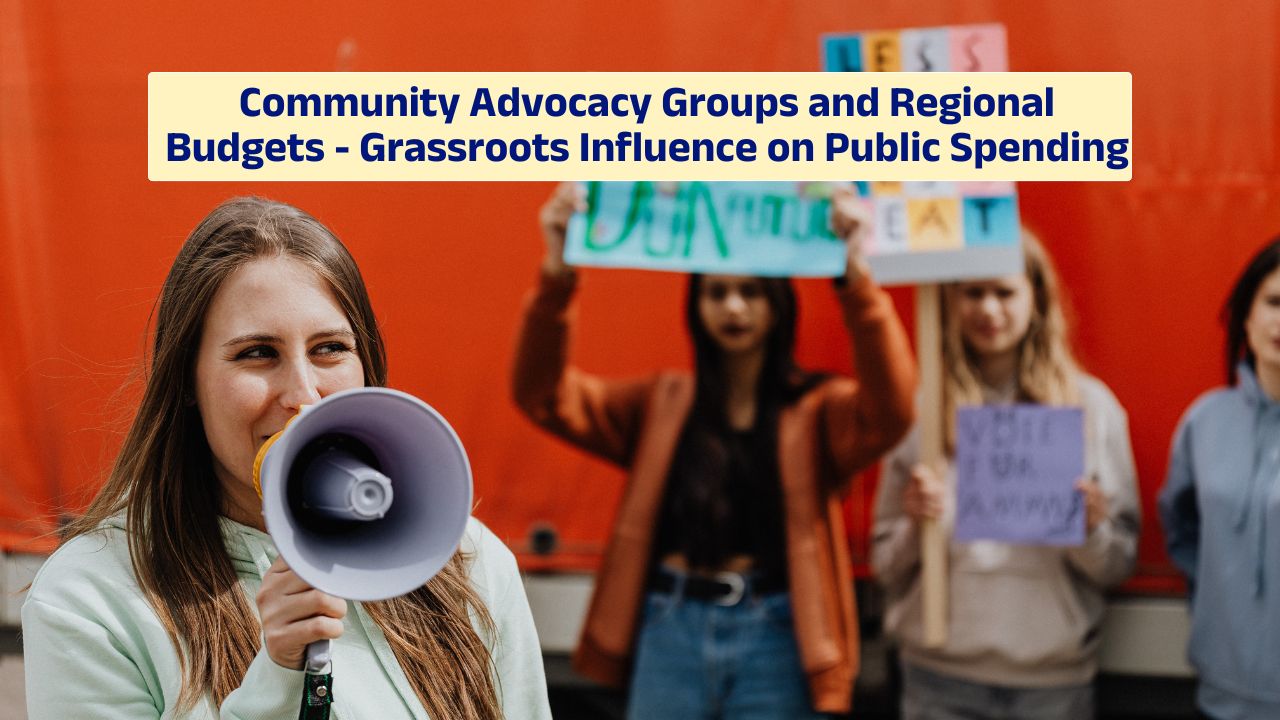
Regional budget hearings are no longer quiet administrative exercises. Community advocacy groups are stepping into the process with organized campaigns, data driven proposals, and coordinated public testimony that increasingly shape how funds are allocated.
From housing initiatives to transportation upgrades, grassroots coalitions are influencing regional budget decisions in measurable ways.
| Key Point | Details |
|---|---|
| Public Testimony | Organized speakers present coordinated funding requests |
| Data Backing | Advocacy groups use research and impact studies |
| Coalition Building | Multiple organizations align around shared priorities |
| Policy Shifts | Budgets reflect increased funding for social programs |
| Transparency | Greater public scrutiny of regional spending decisions |
Organized Advocacy
Modern community advocacy groups approach budget season strategically. Rather than reacting to draft proposals, they conduct year round research, survey residents, and develop detailed funding recommendations aligned with regional development goals.
Guidelines from the U.S. Government Accountability Office emphasize transparency and performance measurement in public spending, principles that advocacy groups increasingly reference when evaluating local budgets.
Coordinated messaging has replaced scattered public comments. Groups often prepare unified statements, fact sheets, and fiscal analyses that strengthen their credibility during hearings.
Budget Hearings
Budget hearings remain one of the most visible and consequential stages of the regional budgeting process. Public hearings serve as a critical platform for influence, giving residents direct access to elected officials and finance committees responsible for allocating public funds.
Organized coalitions mobilize residents to provide testimony on issues such as affordable housing, public transit funding, climate resilience, and community health services.
Preparation for these hearings often begins weeks in advance. Advocacy leaders coordinate messaging, assign speakers specific topics, and ensure that testimony reflects both personal experience and policy evidence.
This structured approach strengthens credibility and prevents duplication, allowing a wide range of concerns to be presented efficiently within limited speaking time.
When dozens of speakers present aligned priorities, elected officials take notice. The volume of participation signals voter engagement and potential electoral consequences. Consistent turnout across multiple sessions can reinforce the urgency of specific funding requests and demonstrate sustained community commitment rather than isolated concern.
Advocacy groups also use digital campaigns to expand their reach. Email drives, social media outreach, and online petitions amplify their presence beyond the hearing room.
Livestreamed hearings and recorded testimonies further broaden public visibility, encouraging residents who cannot attend in person to remain engaged and informed throughout the budget cycle.
Data Strategy
Effective advocacy relies heavily on data. Community organizations increasingly partner with research institutions and policy analysts to quantify program outcomes and funding gaps.
Resources from institutions such as the Brookings Institution research programs are often cited to contextualize regional spending patterns and socioeconomic disparities.
By grounding proposals in evidence rather than anecdote, advocacy groups strengthen their negotiating position. Cost benefit analyses, demographic studies, and service demand projections help frame requests as investments rather than expenses.
Coalition Power
Individual organizations may struggle to influence multi billion dollar regional budgets. Coalitions change that dynamic. Housing advocates, environmental groups, labor unions, and health organizations frequently align around overlapping priorities.
This unified approach reduces fragmentation and increases leverage. Decision makers are more likely to engage when presented with a broad based constituency rather than isolated interests.
Coalition building also distributes resources. Larger nonprofits may provide legal expertise or communications support, while smaller grassroots groups contribute local knowledge and community trust.
Policy Outcomes
The impact of sustained advocacy becomes visible in final budget allocations. Regions have redirected funding toward tenant protections, expanded transit subsidies, workforce development programs, and climate adaptation initiatives following organized campaigns.
Advocacy influence does not guarantee full adoption of proposals. Compromise remains central to public budgeting. However, the process has become more participatory and responsive.
Greater transparency is another outcome. Public dashboards, performance reporting requirements, and clearer spending breakdowns often emerge after sustained community pressure.
Community advocacy groups are redefining how regional budgets are shaped. Through coordinated testimony, data driven analysis, and coalition building, they ensure that fiscal decisions reflect lived experience as well as administrative priorities.
As civic engagement deepens, regional budgeting is evolving into a more transparent and inclusive process.
FAQs
How do advocacy groups influence budgets?
Through testimony, data, and coalitions.
Why are coalitions important?
They increase leverage and representation.
Do officials respond to public hearings?
Yes, strong turnout often shapes priorities.
Is data important in advocacy?
Evidence strengthens funding proposals.
Are budget processes more transparent now?
Community pressure improves accountability.