Habitat Protection Zones Announced – Environmental Governance and Conservation Outlook
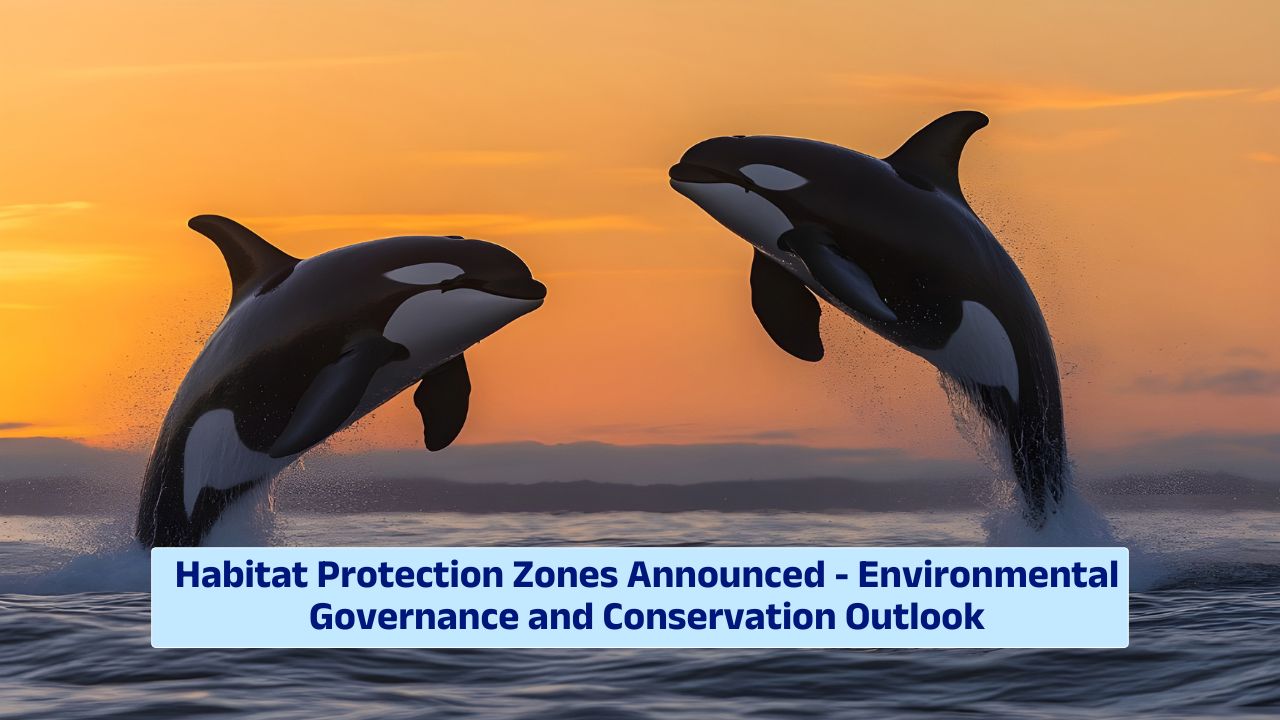
Habitat protection zones announced by state authorities to preserve biodiversity and ecosystems

State authorities are increasingly designating habitat protection zones to safeguard fragile ecosystems and biodiversity under mounting environmental pressure. These zones are regulatory tools used to protect critical habitats from development, pollution, and unsustainable resource use. By formally identifying ecologically sensitive areas, governments can implement targeted conservation policies that balance environmental protection with responsible economic activity. … Read more
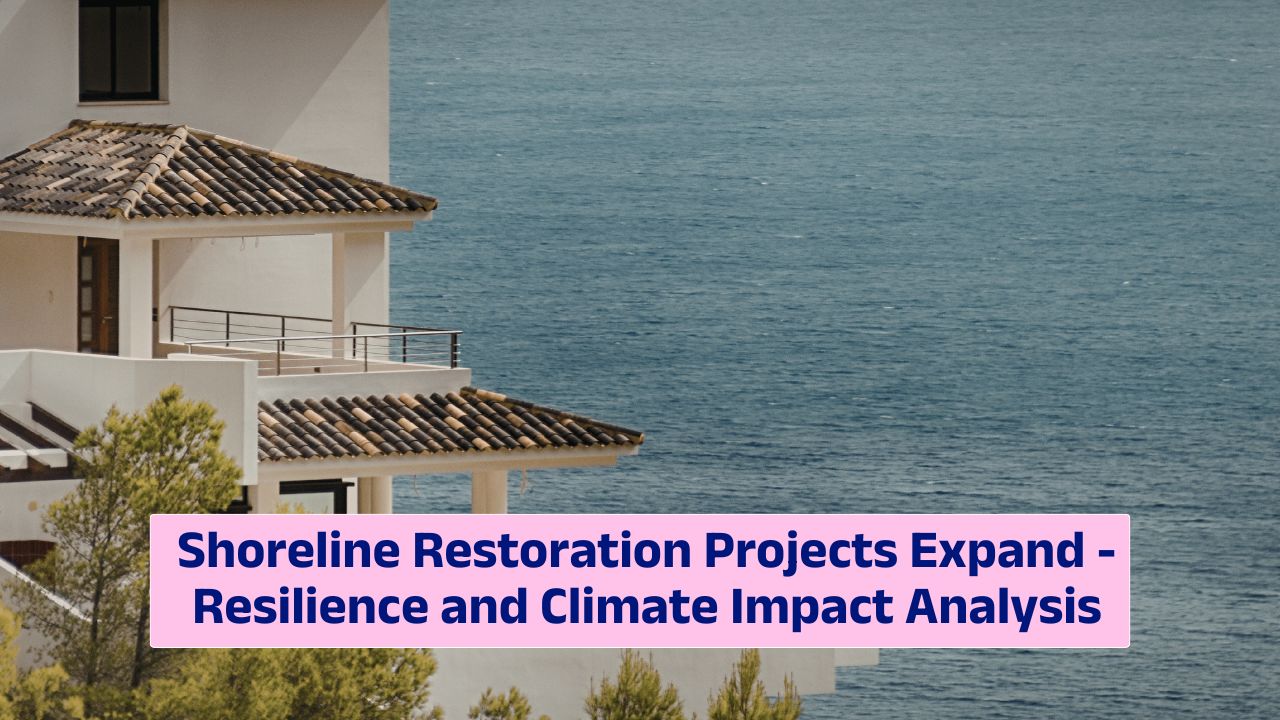
Shoreline Restoration Projects Expand – Resilience and Climate Impact Analysis

Shoreline restoration projects accelerating to strengthen coastal resilience and infrastructure protection

Shoreline restoration projects are accelerating across coastal and inland regions as governments confront rising erosion, habitat loss, and climate-driven flooding. Once treated as localized environmental efforts, these initiatives are now embedded within broader resilience strategies that combine ecological engineering, infrastructure protection, and long-term land use planning. The scale and coordination of current shoreline restoration programs … Read more

Recycling Campaigns Increase Local Community Impact – Economic and Policy Value for Municipal Leaders

recycling campaigns,

Recycling Campaigns are increasingly recognized as high-leverage public initiatives that extend far beyond waste diversion metrics. When strategically designed and locally embedded, these programs influence environmental performance, municipal cost structures, public health outcomes, and even regional economic development. As sustainability commitments intensify across cities and counties, recycling campaigns are evolving from awareness drives into measurable … Read more

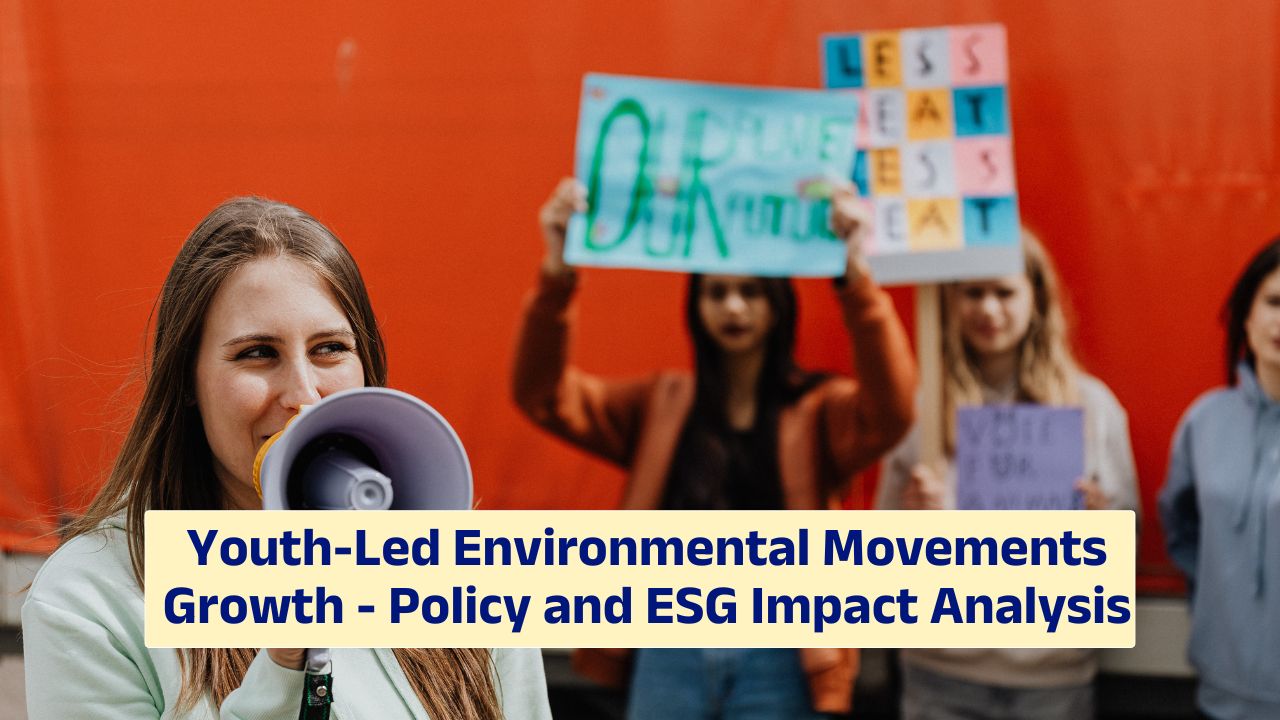
Youth-Led Environmental Movements Growth – Policy and ESG Impact Analysis

youth-led environmental movements

Youth-led environmental movements are reshaping climate discourse, policy advocacy, and corporate accountability at a pace few policymakers anticipated. What began as localized student protests has evolved into a globally coordinated force influencing legislative agendas, capital allocation, and sustainability commitments. For governments and businesses alike, this generational shift represents more than activism. It signals structural pressure … Read more

Public Land Usage Policies Face Renewed Scrutiny – Regulatory and Economic Impact Analysis

Public land usage policies facing renewed regulatory and environmental scrutiny

Public land usage policies are facing renewed scrutiny as states reassess how natural resources, infrastructure corridors, and conservation zones are managed amid climate pressures, economic development demands, and evolving federal oversight. Lawmakers, environmental regulators, and commercial stakeholders are increasingly debating whether current frameworks strike the right balance between preservation, revenue generation, and long-term sustainability. Key … Read more

Seasonal Park Visitor Patterns Show Unexpected Shift – Tourism Planning and Economic Impact Insights

Seasonal park visitor patterns shift affecting tourism planning and park management

Seasonal park visitor patterns are undergoing a measurable shift, challenging long-held assumptions about peak travel months and resource allocation. Data from national and regional park systems indicate that visitation is dispersing beyond traditional summer highs, with shoulder and even winter seasons gaining traction. For policymakers, tourism operators, and environmental planners, this shift carries regulatory, operational, … Read more

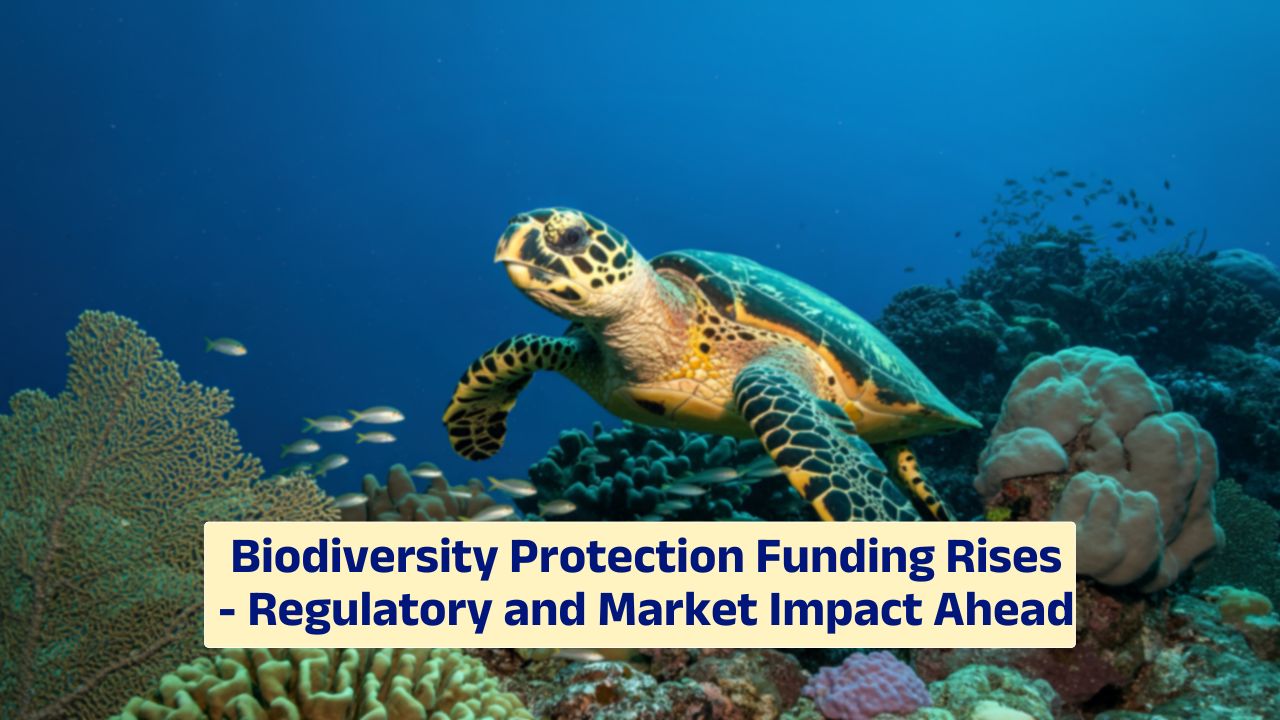
Biodiversity Protection Funding Rises – Regulatory and Market Impact Ahead

Biodiversity protection initiatives receive increased funding and regulatory attention

Capital flows into biodiversity protection initiatives are accelerating as governments, multilateral institutions, and private investors recognize nature loss as a material economic and public health risk. The latest funding cycles signal a structural shift in how ecosystems are valued within regulatory frameworks and corporate strategy. For biotech, healthcare, and environmental technology leaders, increased biodiversity financing … Read more

Environmental Education Programs Expand in Public Parks – Strategic Conservation and Community Impact Insights

Environmental education programs expanding in public parks with structured conservation learning

Environmental education programs in public parks are entering a new phase of structured expansion, shaped by climate priorities, biodiversity goals, and community engagement mandates. What was once considered supplementary programming is now embedded within long term conservation strategy. Park authorities increasingly view education as essential infrastructure that supports ecological resilience and informed public stewardship. Across … Read more

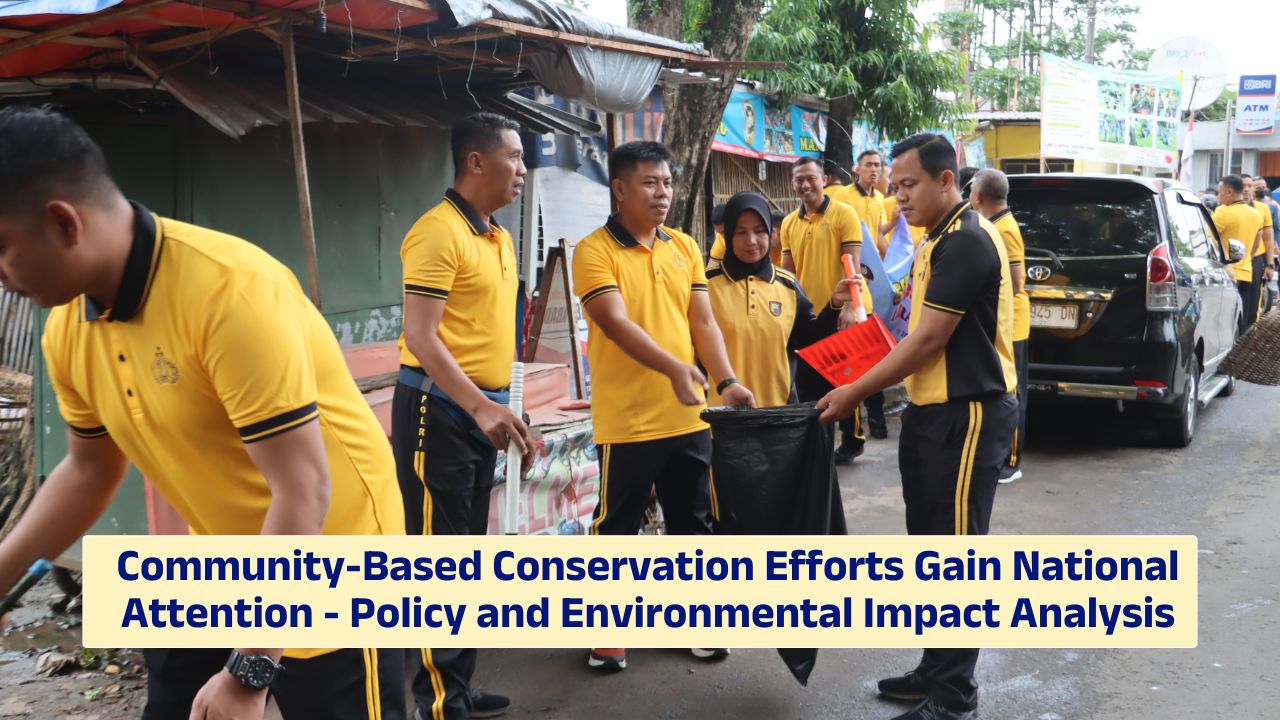
Community-Based Conservation Efforts Gain National Attention – Policy and Environmental Impact Analysis

community-based conservation efforts

Grassroots environmental stewardship is moving from the margins to the mainstream as community-based conservation efforts gain national attention. Across forests, coastal zones, wetlands, and urban ecosystems, locally led conservation models are demonstrating measurable ecological recovery while strengthening social cohesion and economic resilience. Policymakers, conservation investors, and environmental regulators are increasingly recognizing that sustainable outcomes often … Read more

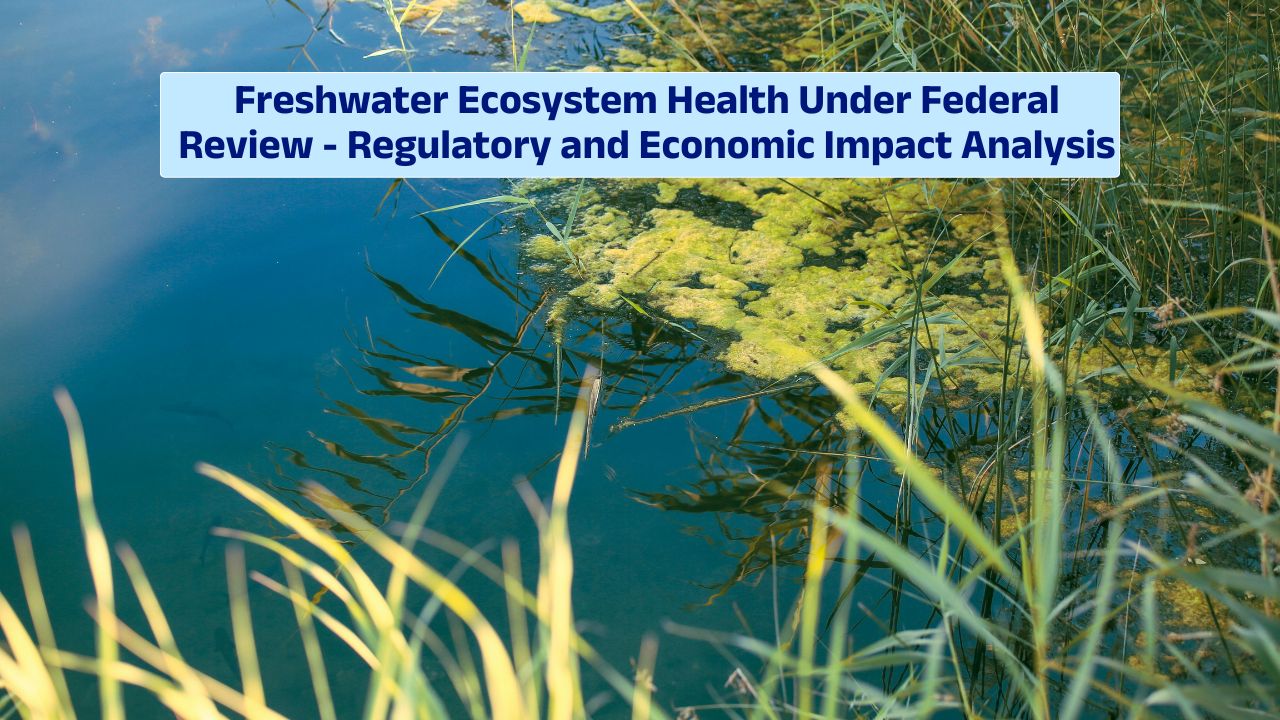
Freshwater Ecosystem Health Under Federal Review – Regulatory and Economic Impact Analysis

freshwater ecosystem health

Freshwater ecosystem health has moved to the forefront of federal environmental review as policymakers confront rising pollution loads, biodiversity loss, and climate-driven hydrological stress. Rivers, lakes, wetlands, and aquifers underpin drinking water systems, agricultural productivity, and industrial supply chains. Their degradation now carries direct regulatory, economic, and public health consequences, prompting a comprehensive federal reassessment. … Read more