
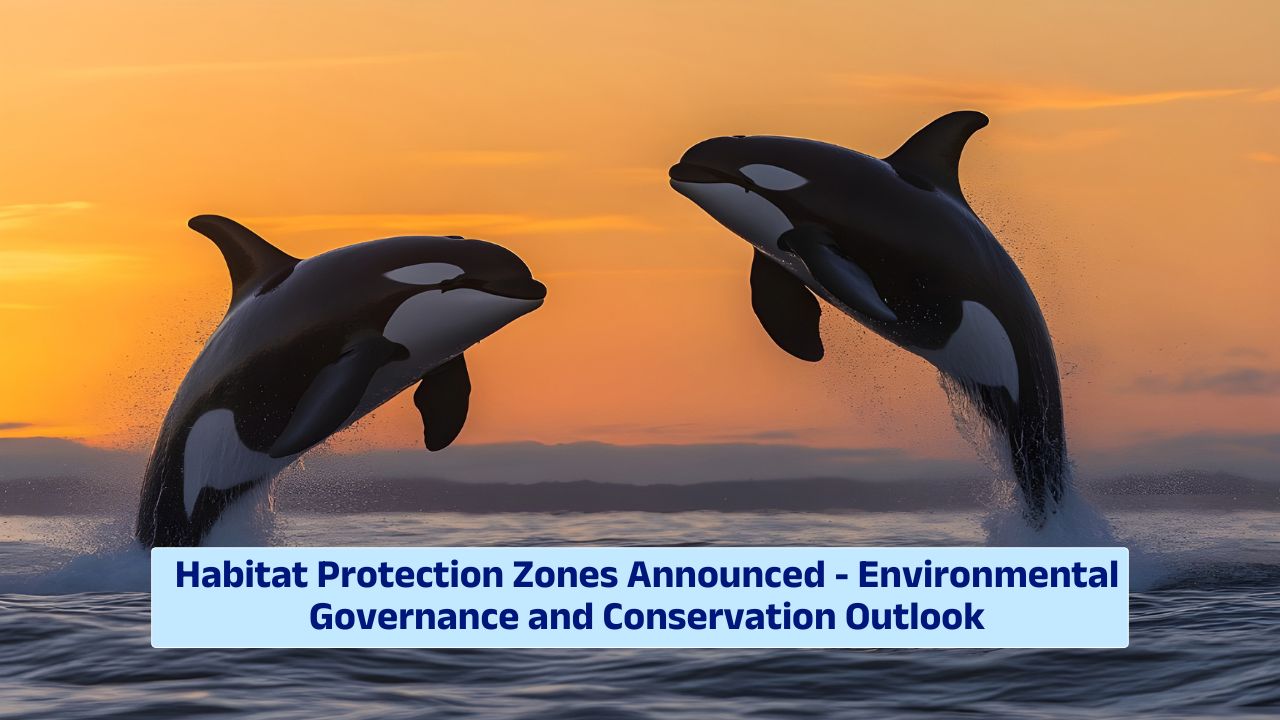
State authorities are increasingly designating habitat protection zones to safeguard fragile ecosystems and biodiversity under mounting environmental pressure. These zones are regulatory tools used to protect critical habitats from development, pollution, and unsustainable resource use.
By formally identifying ecologically sensitive areas, governments can implement targeted conservation policies that balance environmental protection with responsible economic activity.
The announcement of new habitat protection zones typically reflects growing scientific evidence about species decline, ecosystem degradation, or climate related environmental stress.
For policymakers, these designations are not only conservation measures but also strategic regulatory actions aimed at preserving long term ecological resilience and supporting sustainable land management.
| Key Point | Details |
|---|---|
| Purpose of Zones | Protect critical habitats for wildlife and endangered species. |
| Regulatory Authority | State environmental agencies designate and enforce protection zones. |
| Environmental Impact | Reduces habitat destruction and promotes ecosystem recovery. |
| Land Use Controls | Development, mining, and logging activities may face restrictions. |
| Community Role | Local stakeholders often participate in conservation planning. |
Context
Habitat protection zones are typically established after ecological assessments identify areas critical for biodiversity preservation. These locations may include wetlands, forest corridors, coastal ecosystems, or breeding grounds essential for threatened species.
Environmental agencies evaluate scientific data, satellite monitoring, and biodiversity surveys before recommending protected status. According to the International Union for Conservation of Nature protected areas framework, well managed habitat protection zones are among the most effective tools for preventing biodiversity loss.
State governments use these zones to prevent irreversible environmental damage while establishing long term conservation strategies aligned with national and international biodiversity commitments.
Regulation
Once designated, habitat protection zones introduce regulatory controls over activities that may threaten ecological stability. These restrictions may include limits on construction, industrial activity, deforestation, or agricultural expansion within the protected boundary.
Regulatory frameworks often classify zones by protection level. Highly sensitive habitats may receive strict conservation status, while buffer zones may allow limited human activity under sustainable management guidelines.
Environmental compliance monitoring ensures that businesses and landowners adhere to these rules. Agencies may conduct periodic ecological assessments to determine whether conservation goals are being achieved and whether additional protections are required.
Biodiversity
The primary objective of habitat protection zones is to preserve biodiversity by protecting ecosystems that support a wide range of plant and animal species. Fragmentation of habitats is one of the most significant drivers of biodiversity decline worldwide.
By safeguarding ecological corridors and breeding grounds, protected zones allow species populations to recover and maintain genetic diversity. Organizations such as the World Wildlife Fund protected areas initiative emphasize that strong habitat protection policies are essential to reversing global biodiversity loss.
Conservation zones also help stabilize ecosystem services that support human communities, including water purification, soil fertility, and climate regulation.
Stakeholders
Habitat protection initiatives often involve collaboration between government agencies, environmental scientists, local communities, and conservation organizations. Stakeholder engagement helps ensure that conservation policies reflect both ecological priorities and socioeconomic realities.
Farmers, indigenous communities, and landowners may participate in conservation planning processes, especially when protected zones intersect with traditional land use areas.
Incentive programs, sustainable land management grants, and conservation partnerships are sometimes introduced to support compliance.
Effective stakeholder cooperation can improve conservation outcomes while reducing potential conflicts related to land use restrictions.
Outlook
As environmental pressures intensify, state authorities are expected to expand habitat protection policies to safeguard increasingly vulnerable ecosystems. Climate change, urban expansion, and industrial development are accelerating the need for stronger environmental governance.
Future habitat protection strategies will likely incorporate advanced environmental monitoring technologies, including satellite mapping and biodiversity data analytics. These tools allow regulators to identify ecological threats earlier and implement targeted conservation responses.
The announcement of new habitat protection zones signals a growing commitment to environmental stewardship.
For policymakers, scientists, and communities alike, these designations represent a strategic step toward maintaining ecological stability while supporting sustainable development.
FAQs
What are habitat protection zones?
Areas designated to conserve ecosystems and wildlife habitats.
Who announces habitat protection zones?
State or regional environmental authorities.
Why are habitat protection zones important?
They prevent habitat loss and protect biodiversity.
Do protection zones restrict development?
Yes, many activities may face environmental limits.
Can communities participate in conservation planning?
Yes, local stakeholders often contribute to planning.