
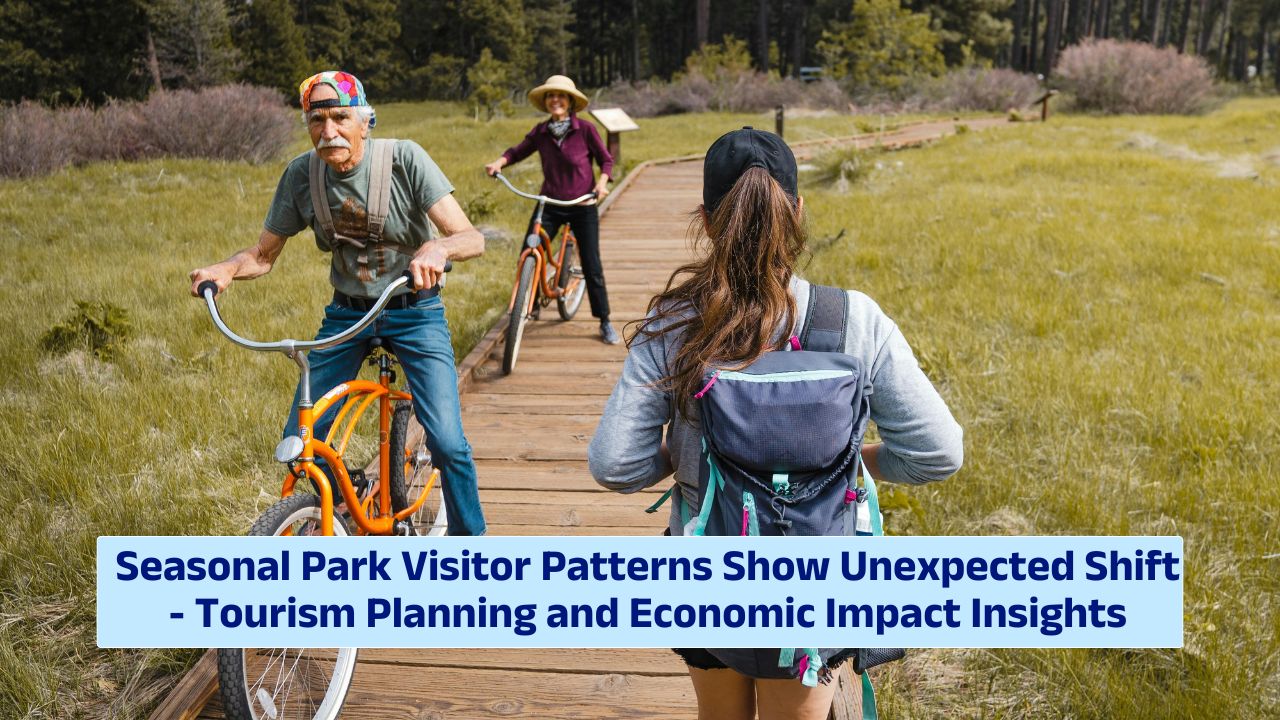
Seasonal park visitor patterns are undergoing a measurable shift, challenging long-held assumptions about peak travel months and resource allocation.
Data from national and regional park systems indicate that visitation is dispersing beyond traditional summer highs, with shoulder and even winter seasons gaining traction.
For policymakers, tourism operators, and environmental planners, this shift carries regulatory, operational, and economic implications.
| Higher visitation during the spring and autumn months | Details |
|---|---|
| Seasonal Redistribution | Higher visitation during spring and autumn months |
| Winter Uptick | Cold season travel increasing in select regions |
| Climate Influence | Temperature variability affecting travel decisions |
| Operational Impact | Staffing and maintenance schedules require adjustment |
| Revenue Stability | Extended visitor season supports local economies |
Trend Data
Recent visitation reports from the National Park Service show notable growth outside traditional summer peaks. Spring and autumn months are recording stronger attendance than historical averages, while some parks are seeing record numbers during milder winter periods.
These patterns suggest that travel demand is becoming less concentrated and more evenly distributed throughout the year.
International travel dynamics also contribute to this shift. According to insights from the UN World Tourism Organization tourism data portal, travelers increasingly seek off-peak experiences to avoid congestion and secure lower costs. This behavioral change directly influences protected areas that were once defined by predictable seasonal surges.
Climate Effects
Climate variability plays a central role in altering seasonal park visitor patterns. Warmer shoulder seasons make hiking, camping, and wildlife observation more accessible and comfortable. In regions where summer heat has intensified, visitors are shifting travel plans to cooler months to mitigate exposure risks.
Conversely, reduced snowfall in certain destinations has transformed winter access. Parks that were previously difficult to navigate during cold months are now more accessible, encouraging year-round tourism. While this can enhance economic stability, it also raises concerns about ecosystem stress during periods historically associated with ecological recovery.
Operational Response
Park authorities are rethinking staffing models and maintenance cycles in response to these unexpected shifts. Infrastructure such as visitor centers, restrooms, and trail systems must remain operational beyond traditional high-season windows. Budget planning increasingly accounts for extended service periods rather than concentrated summer expenditures.
Emergency preparedness protocols are also evolving. Search and rescue operations, wildlife management, and environmental monitoring now require more consistent year-round oversight. The redistribution of visitor flows can reduce peak congestion, yet it complicates resource allocation by stretching operational demands across a longer calendar.
Economic Impact
For gateway communities, shifting seasonal park visitor patterns present both opportunity and complexity. A longer tourism season supports more stable employment and revenue streams for lodging, food services, and outdoor recreation providers. Reduced reliance on a single high season can improve financial resilience.
However, local businesses must adapt inventory, staffing, and marketing strategies to align with more fluid demand. Investment in shoulder season programming, such as guided tours or educational events, becomes essential to sustain momentum outside traditional peak months.
Environmental Balance
From a conservation standpoint, visitor redistribution can relieve pressure on ecosystems during historically overcrowded periods. Lower density during summer reduces trail erosion and wildlife disturbance in some locations. Yet increased year-round access may introduce stress during breeding or migration cycles.
Park managers are therefore integrating adaptive management frameworks. Data-driven visitor caps, timed entry systems, and dynamic pricing models help align human activity with ecological thresholds. The goal is to balance economic vitality with long-term environmental stewardship.
The unexpected shift in seasonal park visitor patterns signals a structural transformation in travel behavior. Climate variability, evolving traveler preferences, and digital booking flexibility are reshaping demand curves.
Institutions that proactively adjust operational planning, environmental safeguards, and community engagement strategies will be better positioned to navigate this new visitation landscape with stability and foresight.
FAQs
Why are park seasons shifting?
Climate and traveler behavior are changing.
Are summers still the busiest?
Often yes, but gaps are narrowing.
How does this affect park budgets?
Costs spread across a longer year.
Do local economies benefit?
Yes, revenue becomes more stable.
Is the environment at risk?
Year-round access needs careful control.