
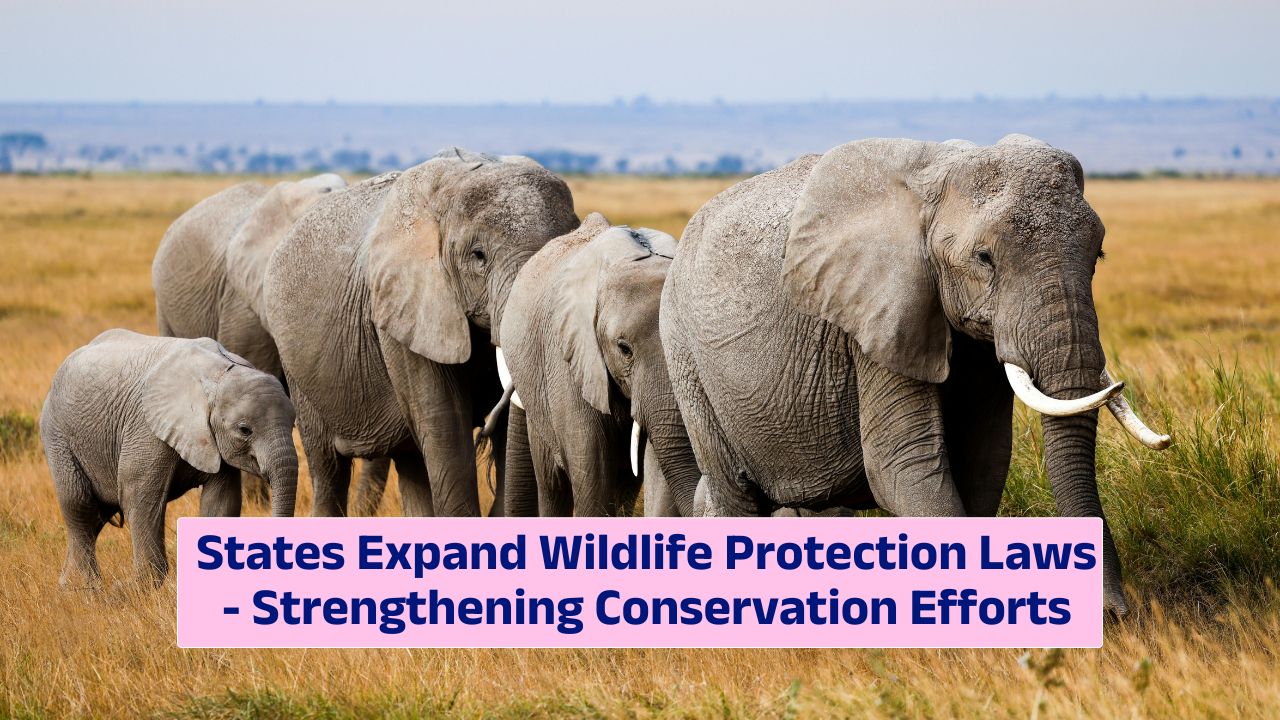
Wildlife protection measures are being reinforced across multiple states as policymakers respond to habitat degradation, climate pressures, and species decline. Stronger laws, expanded conservation zones, and coordinated enforcement strategies reflect a growing recognition that biodiversity loss demands decisive regional action.
| Key Point | Details |
|---|---|
| Policy Reform | Updated wildlife laws and endangered species safeguards |
| Habitat Protection | Expansion of protected lands and restoration projects |
| Stronger Enforcement | Increased penalties and monitoring for illegal activity |
| Regional Coordination | Interstate collaboration on data and conservation planning |
| Public Engagement | Citizen participation supporting long term biodiversity goals |
Legislation
States are revising wildlife statutes to reflect evolving ecological realities. Legislative updates include clearer definitions of protected species, stronger habitat conservation requirements, and tighter regulation of commercial wildlife trade.
Many reforms align with federal standards under the Endangered Species Act, while allowing states to address region specific threats. This layered approach strengthens biodiversity protection by combining national oversight with local adaptability.
Several states have also introduced faster listing procedures for at risk species. By shortening bureaucratic timelines, agencies can intervene before populations decline beyond recovery thresholds.
Habitats
Habitat preservation remains central to strengthened wildlife protection measures. Expanding protected areas safeguards breeding grounds, migration corridors, wetlands, and forest ecosystems that support diverse species.
Scientific research consistently identifies habitat fragmentation as a primary driver of biodiversity loss. Guidance from the National Wildlife Federation emphasizes that ecosystem stability depends on connected landscapes rather than isolated reserves.
In response, states are prioritizing land acquisition, conservation easements, and public private partnerships to restore degraded habitats. Wetland rehabilitation, shoreline stabilization, and native vegetation replanting are becoming integral to long term conservation planning.
Urban planning policies are also evolving. Development near sensitive ecosystems increasingly requires environmental assessments and mitigation strategies to reduce long term ecological damage.
Enforcement
Stronger wildlife protection laws require effective enforcement. Many states have increased funding for conservation officers, surveillance technology, and wildlife crime units.
Enhanced penalties for poaching, illegal trafficking, and habitat destruction aim to deter repeat offenses. Authorities are also leveraging digital reporting systems to encourage public participation in identifying violations.
Cross border enforcement cooperation has expanded as well. Wildlife trafficking networks often operate across state lines, exploiting regulatory inconsistencies. Shared databases and coordinated investigations help close these gaps and improve accountability.
Training programs for law enforcement personnel now include specialized modules on wildlife crime, improving case preparation and prosecution success rates.
Climate
Climate change is intensifying the urgency behind strengthened wildlife protection measures. Shifting temperature patterns, prolonged droughts, and extreme weather events disrupt migration cycles and breeding habitats.
States are incorporating climate resilience strategies into conservation plans. This includes identifying climate refuges, protecting high elevation habitats, and restoring wetlands that buffer flood impacts.
Adaptive management models allow agencies to update policies based on emerging scientific data. By integrating climate projections into wildlife planning, states can reduce long term ecological risk.
Collaboration
Interstate collaboration is becoming a cornerstone of effective conservation. Many species cross political boundaries during migration, making coordinated policy essential.
Regional conservation agreements standardize monitoring methods and facilitate data sharing. This ensures that population trends are measured consistently and that conservation outcomes can be evaluated across jurisdictions.
Partnerships with universities and environmental research institutions further strengthen evidence based policymaking. Academic expertise supports habitat mapping, species tracking, and biodiversity assessments that inform regulatory decisions.
Community
Public engagement enhances the durability of wildlife protection measures. Citizen science initiatives, habitat restoration volunteering, and responsible recreation programs connect residents directly to conservation efforts.
Educational outreach in schools and community centers builds awareness of biodiversity’s economic and ecological value. Sustainable tourism, ethical fishing practices, and conservation minded land management contribute to shared stewardship.
Community participation also increases transparency and accountability. When residents understand the purpose and impact of wildlife protection laws, compliance improves and enforcement burdens decrease.
The strengthening of wildlife protection measures across multiple states reflects a deliberate shift toward proactive environmental governance.
By combining legislative reform, habitat restoration, enforcement capacity, climate adaptation, and public involvement, states are building a more resilient framework for biodiversity conservation. Sustained commitment and coordinated execution will determine how effectively these measures protect ecosystems for future generations.
FAQs
Why are wildlife laws being updated?
To address habitat loss and species decline.
What is habitat fragmentation?
Breaking ecosystems into isolated areas.
How do states fight poaching?
Through stricter enforcement and penalties.
Does climate affect wildlife policy?
Yes, resilience planning is now essential.
Can citizens help protect wildlife?
Yes, through volunteering and compliance.