
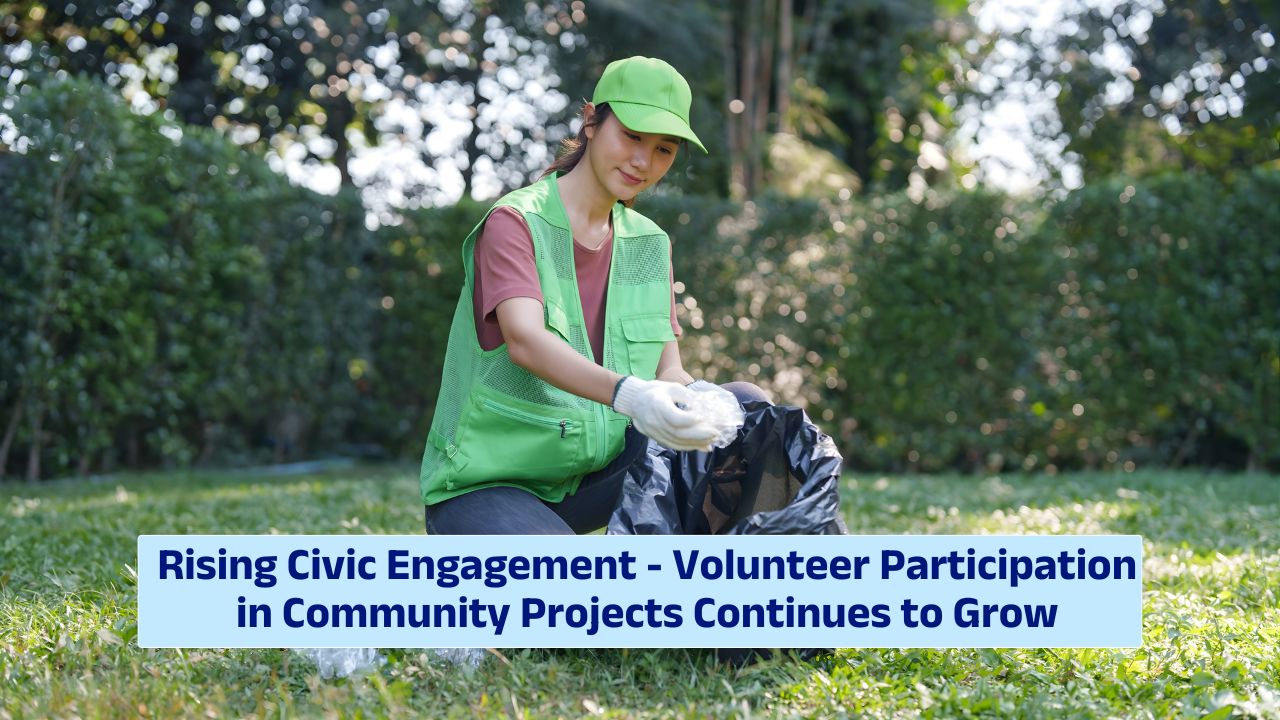
Community engagement is gaining measurable momentum as more individuals dedicate time and skills to civic projects. From neighborhood cleanups to digital literacy programs, volunteer participation has shown a consistent upward trend.
This rise reflects growing public awareness of social responsibility, increased access to organized initiatives, and a renewed interest in local impact.
| Key Point | Details |
|---|---|
| Rising Engagement | More citizens participating in local civic initiatives |
| Diverse Causes | Environmental, educational, health, and social programs expanding |
| Digital Mobilization | Online platforms simplifying recruitment and coordination |
| Youth Involvement | Students and young professionals leading new initiatives |
| Community Impact | Improved local services and stronger neighborhood networks |
Momentum
Volunteer participation in civic projects is no longer confined to occasional community drives. Municipal data and nonprofit reports indicate consistent growth in engagement across urban and rural areas. According to insights from the U.S. Census Bureau, formal volunteering rates have stabilized after previous declines, with informal community help rising significantly.
This shift suggests a broader definition of civic contribution. Individuals are supporting food distribution networks, mentoring youth, assisting local governments with advisory roles, and participating in neighborhood safety initiatives.
Drivers
Several structural factors explain the steady rise. First, technology has simplified coordination. Volunteer management software, social platforms, and civic apps allow organizations to match skills with needs efficiently.
Second, increased public awareness around social and environmental issues has encouraged action at the local level. Climate resilience projects, public health outreach, and educational equity programs often depend on citizen involvement.
Third, flexible work arrangements have freed time for community engagement. Remote and hybrid work models enable professionals to allocate hours to meaningful local projects without sacrificing employment obligations.
Youth
Young people are playing a critical role in this upward trend. University programs increasingly integrate service learning into academic curricula. Students are not only fulfilling course requirements but also building long term civic habits.
Research from the AmeriCorps civic engagement reports highlights that younger demographics show growing interest in hands on community involvement, particularly in environmental sustainability and social justice initiatives.
Social media has further amplified youth leadership. Local campaigns now mobilize volunteers quickly through digital outreach, often translating online awareness into tangible community action.
Impact
The steady rise in volunteer participation has measurable community benefits. Neighborhood revitalization projects often complete faster when residents contribute labor and planning input. Educational tutoring programs improve literacy outcomes when volunteers supplement school resources.
Healthcare support initiatives also benefit. Community health outreach programs frequently rely on trained volunteers to disseminate information, assist with logistics, and bridge gaps between institutions and underserved populations.
Beyond measurable outcomes, volunteer participation strengthens social cohesion. Residents who collaborate on civic initiatives tend to develop trust and mutual accountability. These relationships enhance resilience during crises, whether natural disasters or economic disruptions.
Challenges
Despite positive trends, civic projects still face coordination challenges. Volunteer burnout remains a risk, especially when initiatives depend on a small core group. Sustainable growth requires structured management, training, and recognition systems.
Funding limitations also affect capacity. While volunteers provide labor and expertise, administrative support and materials often require stable financial backing.
Finally, equitable access to participation must remain a priority. Communities benefit most when volunteer opportunities are inclusive and accessible across socioeconomic backgrounds.
Volunteer participation in civic projects reflects a broader cultural shift toward active citizenship. As technology, education, and community awareness continue to evolve, this upward trajectory is likely to strengthen local governance and social resilience.
Sustained momentum will depend on thoughtful coordination, inclusive engagement strategies, and long term institutional support.
FAQs
Why is volunteer participation increasing?
Better access, awareness, and flexible schedules drive growth.
Who participates most in civic projects?
Youth and working professionals show strong involvement.
What types of projects are popular?
Environmental, education, and health initiatives lead.
Does volunteering strengthen communities?
Yes, it builds trust and improves local services.
What challenges do civic volunteers face?
Burnout, funding gaps, and coordination limits.