
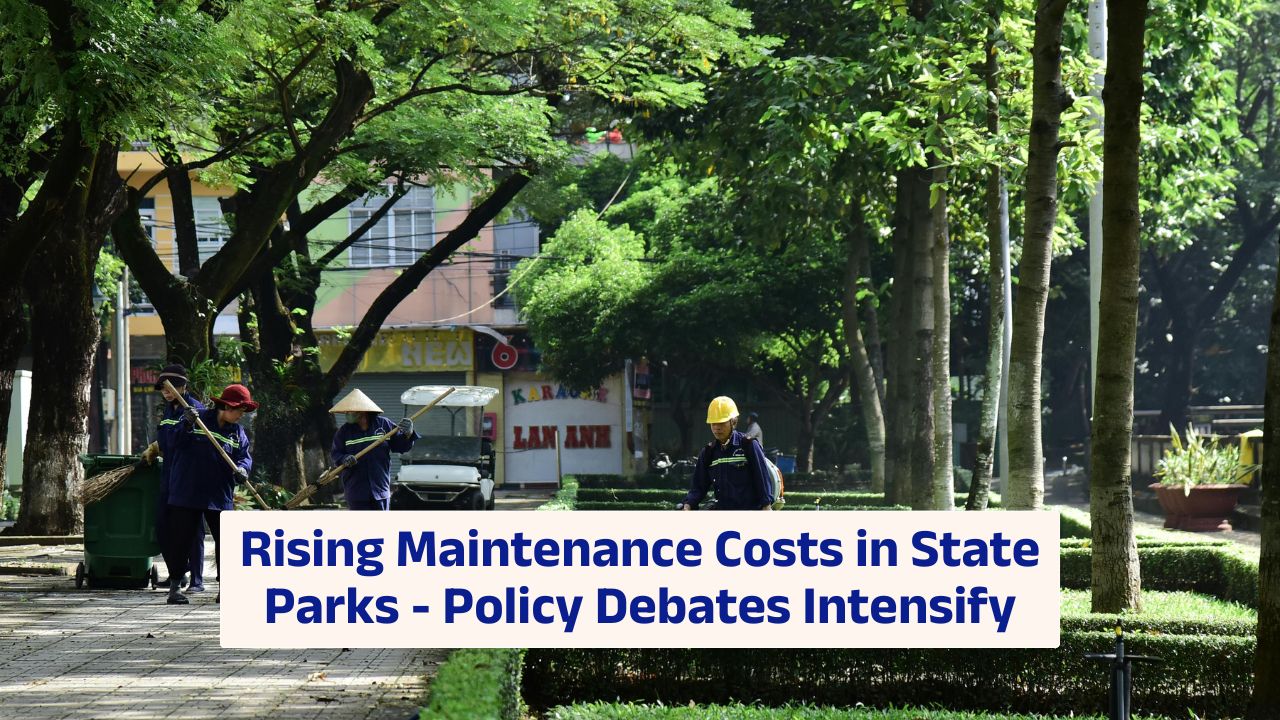
State parks across the country are facing mounting maintenance costs that are reshaping budget priorities and policy debates. Aging infrastructure, rising labor expenses, climate-related damage, and increasing visitor numbers have created financial pressures that many park systems are struggling to absorb.
What was once routine upkeep has become a complex fiscal challenge with long-term implications for conservation and public access.
| Key Point | Details |
|---|---|
| Infrastructure Aging | Deferred repairs increase long term costs |
| Labor Expenses | Higher wages and staffing shortages strain budgets |
| Climate Damage | Storms and wildfires raise repair frequency |
| Visitor Growth | Increased foot traffic accelerates wear and tear |
| Policy Response | Debates over funding models and fee structures |
Cost Drivers
Many state park systems were developed decades ago, and core facilities such as visitor centers, campgrounds, trails, and utilities are approaching the end of their design life. Deferred maintenance has accumulated over years of tight public budgets, turning minor repairs into major capital projects.
Labor represents another growing expense. Skilled maintenance crews, rangers, and seasonal staff are essential for safe operations, yet rising wages and recruitment challenges increase operational costs. Parks located in remote areas often face additional logistical expenses for materials and contractors.
Climate Impact
Climate variability has intensified maintenance demands. Severe storms damage trails, docks, and access roads. Wildfires destroy vegetation and infrastructure, requiring costly rehabilitation efforts. Flooding accelerates erosion and disrupts utility systems.
The National Park Service climate resources highlight how public lands are increasingly exposed to extreme weather events, a trend that also affects state-managed parks. Recovery projects often require not only reconstruction but also resilience upgrades to prevent repeated damage.
Visitor Pressure
Outdoor recreation has experienced sustained growth in recent years. Increased visitation supports local tourism economies but also places additional stress on park facilities. Trails erode more quickly, restrooms require frequent servicing, and waste management costs rise with higher foot traffic.
According to data from the Outdoor Industry Association, outdoor participation rates have expanded significantly, placing additional operational demands on public lands. State agencies must balance accessibility with sustainability to avoid degrading natural resources.
Funding Models
Rising maintenance costs have triggered policy discussions around funding structures. Some states rely heavily on general tax revenue, while others supplement budgets through entrance fees, camping permits, and concession agreements. As expenses increase, lawmakers are reconsidering whether existing revenue streams are sufficient.
Proposals include adjusting user fees, expanding public-private partnerships, and establishing dedicated conservation trust funds. Critics caution that higher fees may reduce accessibility for lower-income families, while supporters argue that modest increases can provide predictable funding for essential upkeep.
Long Term Outlook
Policy debates increasingly focus on preventive maintenance strategies. Investing early in infrastructure upgrades can reduce long term repair costs and enhance safety. Data-driven asset management systems are being adopted to track facility conditions and prioritize spending.
At the same time, sustainability initiatives such as energy-efficient facilities and durable construction materials aim to lower recurring operational expenses. Modernizing park infrastructure requires upfront capital, but it may stabilize maintenance budgets over time.
The conversation around rising maintenance costs is not solely about finances. It reflects broader questions about how states value public lands and recreational access.
As visitor demand grows and environmental risks intensify, long-term planning and transparent funding mechanisms will determine whether state parks remain both accessible and well-preserved for future generations.
FAQs
Why are state park costs increasing?
Aging assets, labor, and climate damage.
How does climate affect park budgets?
Storms and fires raise repair expenses.
Do more visitors raise maintenance costs?
Yes, higher use accelerates wear.
Are entrance fees being reconsidered?
Some states are reviewing fee models.
What is deferred maintenance?
Postponed repairs that increase future costs.