
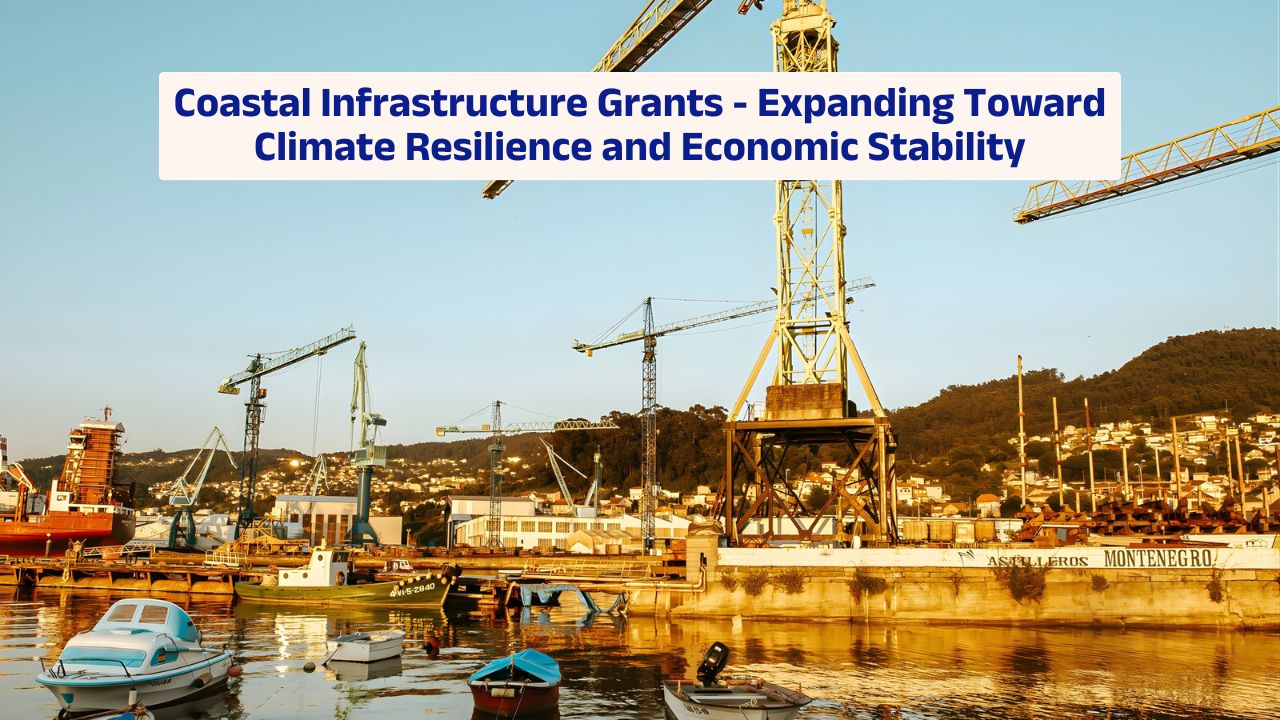
Coastal regions are emerging as priority zones in the latest wave of public infrastructure grants. Governments are directing funding toward shoreline communities to strengthen climate resilience, modernize transport networks, and support sustainable economic growth. This shift reflects growing awareness of rising sea levels, extreme weather events, and the strategic economic importance of ports and coastal cities.
| Key Point | Details |
|---|---|
| Funding Focus | Resilience, transport, water systems, and ports |
| Climate Response | Flood control, sea wall upgrades, erosion mitigation |
| Economic Impact | Support for trade hubs and tourism corridors |
| Federal Role | Competitive grants and targeted coastal programs |
| Long Term Goal | Sustainable development and risk reduction |
Strategic Shift
Public infrastructure investment has traditionally favored inland transportation corridors and urban expansion zones. The expansion toward coastal regions marks a strategic recalibration. Shoreline communities are increasingly exposed to environmental risks that threaten property, industry, and public safety.
According to the National Oceanic and Atmospheric Administration, sea levels continue to rise along many U.S. coastlines. This data has influenced federal and state budget priorities, prompting policymakers to direct grants toward flood mitigation systems and storm protection infrastructure.
The shift is not only reactive. Coastal regions contribute significantly to national GDP through shipping, fisheries, tourism, and energy production. Strengthening infrastructure in these areas protects supply chains and economic stability.
Climate Resilience
Climate resilience now anchors many public infrastructure grant programs. Funding supports projects such as upgraded drainage systems, elevated roadways, reinforced bridges, and modernized seawalls.
Communities vulnerable to hurricanes and tidal flooding are applying for grants to redesign waterfront districts. These projects aim to balance environmental preservation with urban functionality. In some cases, natural infrastructure such as wetlands restoration is integrated alongside engineered defenses.
The World Bank climate change program highlights that resilient infrastructure reduces long term disaster recovery costs. This economic rationale strengthens the case for proactive investment.
Transport Upgrades
Ports and coastal highways are central components of global trade. Public infrastructure grants are funding port expansions, rail connections, and cargo handling upgrades to accommodate growing freight volumes.
Improved intermodal connections reduce congestion and enhance export competitiveness. Modernized infrastructure also helps coastal cities manage tourism surges during peak seasons without overloading transport networks.
These upgrades often include sustainability measures such as electrified port equipment and shoreline transit expansions. The goal is to increase capacity while reducing environmental impact.
Water Systems
Coastal water infrastructure faces unique challenges. Saltwater intrusion can compromise freshwater supplies, while aging sewer systems struggle during heavy rainfall. Grants are targeting water treatment facilities, desalination initiatives, and stormwater management systems.
Investments in resilient water infrastructure support public health and protect marine ecosystems. In rapidly growing coastal regions, modern water systems are essential for continued development.
Infrastructure funding increasingly requires environmental impact assessments and adaptive planning models. This ensures projects remain viable under future climate conditions.
Economic Effects
Expanding grants toward coastal regions stimulates construction activity, creates local employment, and strengthens property values. More importantly, it preserves economic anchors such as ports, resorts, and maritime industries.
Resilient infrastructure lowers insurance risks and improves investor confidence. Businesses are more likely to expand operations in regions where transportation and flood defenses are reliable.
For smaller coastal towns, grant access can be transformative. Funding enables modernization that local tax bases could not otherwise support.
Policy Outlook
The trajectory suggests continued prioritization of coastal resilience in infrastructure policy. Competitive grant frameworks increasingly incorporate climate risk scoring, equity considerations, and long term maintenance planning.
As federal and regional governments refine infrastructure strategies, coastal regions are positioned to receive sustained investment. The expansion reflects recognition that safeguarding shorelines is not optional. It is fundamental to economic security and environmental stability.
Public infrastructure grants are evolving from basic expansion tools into instruments of risk management and sustainable development. Coastal communities stand at the center of that transformation.
FAQs
Why focus on coastal infrastructure?
To address climate risk and protect trade hubs.
What projects receive funding?
Flood control, ports, roads, and water systems.
How do grants help local economies?
They create jobs and protect key industries.
Are climate factors considered?
Yes, resilience is a primary funding criteria.
Do smaller towns benefit?
Yes, grants support upgrades beyond local budgets.