
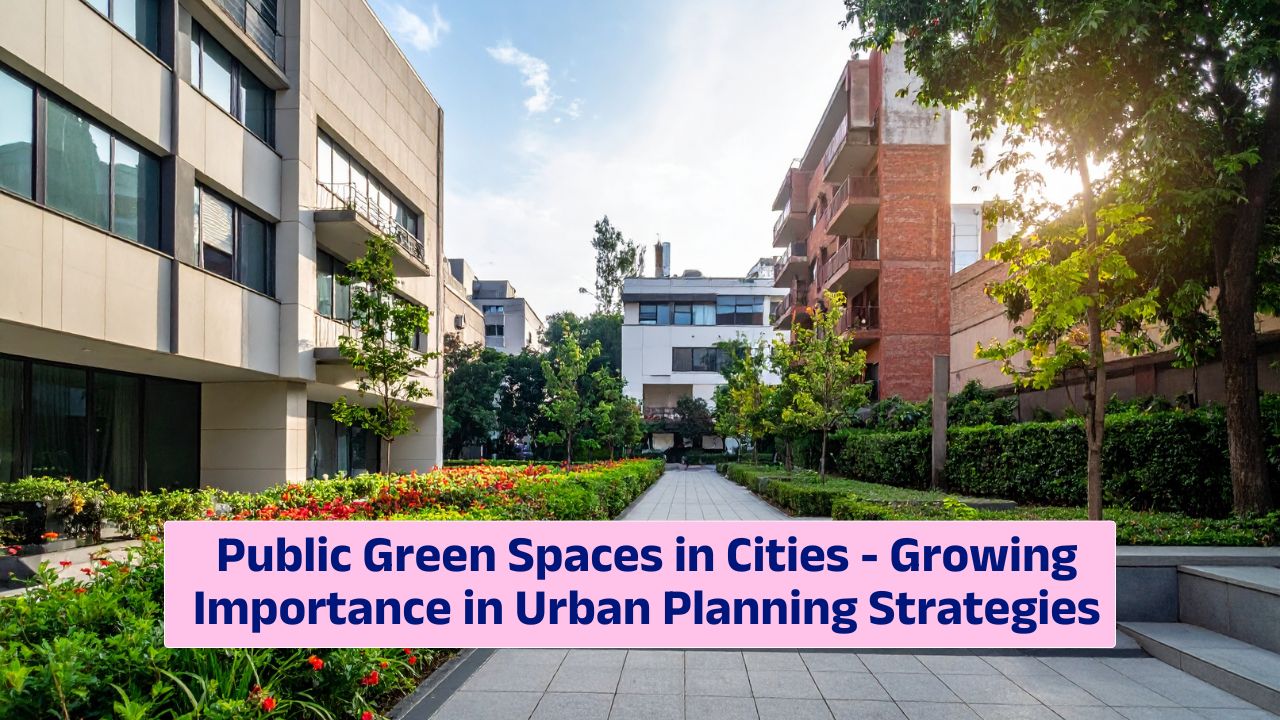
Public green spaces are no longer treated as optional amenities within city limits. They have become a core element of urban planning strategy, shaping how neighborhoods function, how residents experience daily life, and how cities prepare for environmental uncertainty.
From compact community parks to expansive urban forests, green infrastructure is now considered a long-term investment in public health, climate resilience, and economic stability.
| Key Point | Details |
|---|---|
| Health Impact | Supports mental wellbeing and active lifestyles |
| Climate Buffer | Reduces heat islands and manages stormwater |
| Social Equity | Improves access to safe recreational areas |
| Economic Value | Enhances property markets and local commerce |
| Urban Ecology | Preserves biodiversity within dense cities |
Health Benefits
Access to nature within urban settings has measurable health outcomes. Residents living near parks and tree-lined streets are more likely to engage in physical activity and report lower stress levels. Exposure to greenery has been associated with improved mood, reduced anxiety, and better concentration, particularly among children and older adults.
The World Health Organization recognizes urban green spaces as contributors to disease prevention and overall well-being. Safe, accessible parks encourage walking and cycling, which helps reduce sedentary behavior and related chronic conditions. In high-density districts, even modest green corridors can provide psychological relief from concrete-dominated surroundings.
Climate Role
Urban areas face rising temperatures and more frequent extreme weather events. Public green spaces act as natural climate regulators. Tree canopies provide shade that lowers surface and air temperatures, reducing the intensity of the urban heat island effect during peak summer periods.
Green landscapes also manage rainfall more effectively than paved surfaces. Soil and vegetation absorb and filter stormwater, decreasing pressure on drainage systems.
The U.S. Environmental Protection Agency emphasizes that green infrastructure practices such as rain gardens and permeable pavements can significantly reduce runoff and flooding risks in built environments.
By integrating parks, wetlands, and planted medians into city design, planners strengthen long-term resilience. These spaces function as living systems that adapt to environmental stress rather than rigid structures that deteriorate over time.
Urban Equity
The distribution of green space often reflects historical planning inequalities. Lower-income communities frequently experience limited access to safe and well-maintained parks. This imbalance affects public health, environmental exposure, and overall quality of life.
Modern urban planning frameworks increasingly address this gap. Investments in neighborhood parks, tree planting initiatives, and pedestrian-friendly green corridors are being prioritized in underserved districts. Equitable access to public green spaces supports social inclusion and creates neutral environments where residents from different backgrounds can interact.
Well-designed public spaces also strengthen civic identity. Community gardens and open plazas encourage participation and shared stewardship, reinforcing a sense of belonging that extends beyond residential boundaries.
Economic Impact
Green infrastructure delivers tangible economic returns. Properties located near attractive parks often experience increased demand, which can raise surrounding real estate values. For municipalities, this growth translates into stronger tax bases that support public services.
Commercial districts benefit as well. Restaurants, retail shops, and cultural venues near well-maintained public spaces attract higher foot traffic and longer visitor stays. Green areas create comfortable environments that encourage people to spend time and money locally.
Additionally, preventive health benefits associated with active outdoor lifestyles can reduce long-term public healthcare costs. When residents have daily access to natural environments, cities indirectly invest in healthier populations and more productive workforces.
Biodiversity
Urban expansion has historically fragmented ecosystems. Thoughtful integration of green spaces can counteract some of that disruption. Connected parks, green roofs, and tree-lined streets create ecological corridors that allow species movement across dense areas.
Native plant selection is gaining importance in landscape planning because it supports pollinators and requires fewer resources. Biodiversity within cities contributes to environmental stability and improves overall ecosystem services such as air filtration and soil regeneration.
The growing recognition of public green spaces reflects a broader evolution in urban design philosophy. Cities are shifting from car-centered layouts toward human-centered environments that value livability and resilience. Parks and open landscapes are not decorative extras.
They are structural components that influence health outcomes, economic performance, and climate preparedness. As urban populations continue to rise, the strategic integration of green space will define the sustainability of future cities.
FAQs
Why are public green spaces important?
They support health, climate, and social well-being.
How do parks help climate resilience?
They reduce heat and absorb stormwater.
Do green spaces improve property value?
Yes, nearby properties often gain demand.
Are green spaces linked to mental health?
Yes, access reduces stress and anxiety.
Why is equitable access important?
It ensures all communities benefit equally.