
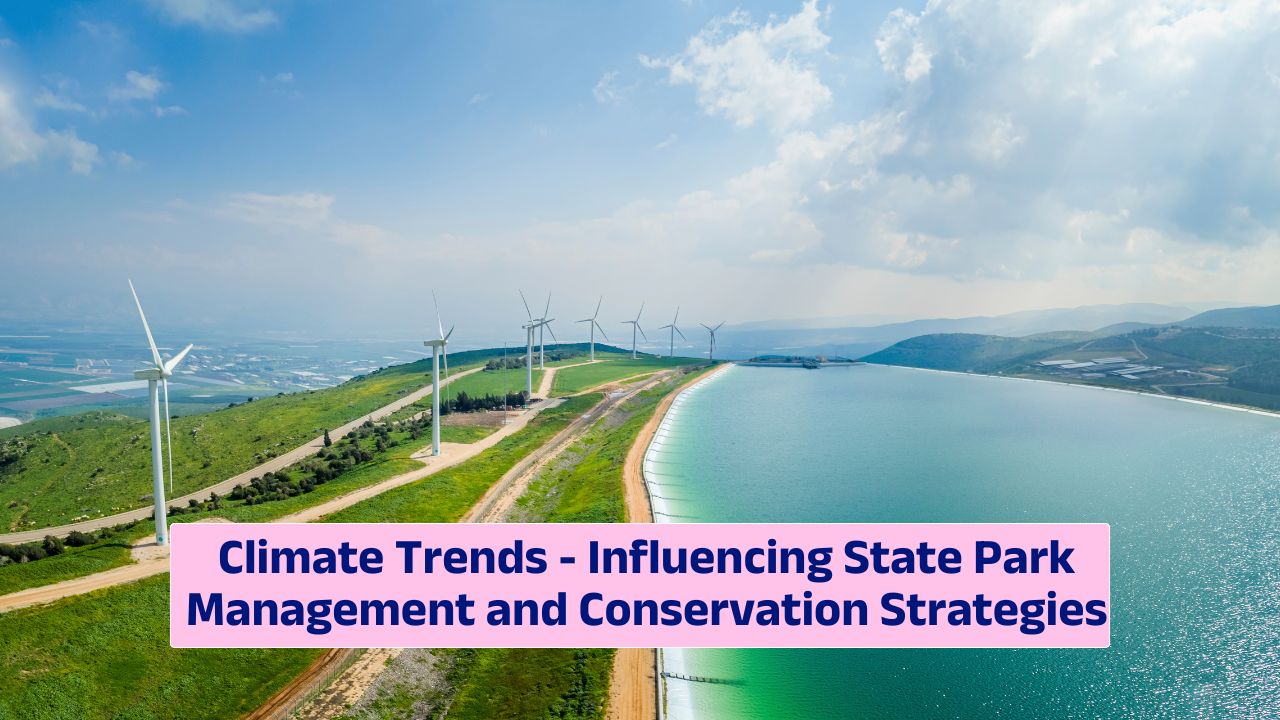
Subtle shifts in temperature, rainfall intensity, snowpack levels, and wildfire frequency are steadily reshaping how state parks are managed. What once appeared as seasonal fluctuation is now treated as structural climate change.
Park agencies are responding with long term planning adjustments that affect conservation priorities, infrastructure investment, staffing, and visitor safety protocols.
| Key Point | Details |
|---|---|
| Climate Impact | Higher temperatures, altered rainfall, wildfire risk |
| Operational Changes | Revised staffing, fire management, seasonal shifts |
| Infrastructure Planning | Resilient trails, drainage upgrades, elevated facilities |
| Biodiversity Response | Habitat monitoring and ecosystem restoration |
| Visitor Safety | Heat advisories, closures, emergency alerts |
Environmental Shifts
State parks protect forests, wetlands, coastlines, deserts, and mountain systems that are highly sensitive to climate variability. Rising average temperatures influence plant growth cycles and wildlife behavior. Earlier snowmelt affects water availability downstream, while prolonged drought stresses vegetation and increases susceptibility to pests.
Data from the NASA climate change research portal confirms a long term warming trend that alters natural systems. For park managers, this means historical patterns can no longer serve as reliable baselines for planning.
Heavy rainfall events are also becoming more intense in certain regions. Trails wash out more frequently, riverbanks erode faster, and sediment runoff disrupts aquatic habitats. In coastal state parks, sea level rise accelerates shoreline erosion and threatens infrastructure near the water.
These environmental shifts require constant monitoring and adaptive strategies rather than static management plans.
Operational Response
Daily park operations are evolving to address climate related risks. Fire management now occupies a central role in many western and southern park systems. Controlled burns are scheduled more strategically, and fire breaks are maintained with greater urgency.
Staffing patterns are adjusted to reflect longer peak seasons in some states, while extreme heat or storm activity forces temporary closures in others. Rangers are increasingly trained in emergency response coordination as climate driven weather events become less predictable.
The EPA climate indicators report highlights trends in heavy precipitation and rising temperatures that directly affect park operations. Agencies are using this data to anticipate maintenance needs and allocate resources more efficiently.
Seasonal calendars are also shifting. Warmer springs can lead to earlier visitor surges, while milder autumns extend outdoor recreation demand. This affects everything from campsite reservations to trail maintenance schedules.
Infrastructure Adaptation
Infrastructure built decades ago was designed around predictable climate cycles. Today, state parks are reassessing engineering standards to withstand increased environmental stress.
Trail systems are reconstructed with improved grading and water diversion features to reduce erosion. Boardwalks and bridges are built with materials that tolerate moisture fluctuations and temperature extremes. In flood prone zones, campgrounds are relocated or elevated to reduce damage risk.
Stormwater systems are expanded to handle heavier rainfall. In wildfire prone areas, facilities are designed with fire resistant materials and defensible space principles.
These investments are not cosmetic upgrades. They are long term risk mitigation measures that protect public assets and maintain access to natural spaces.
Biodiversity Protection
Climate trends are altering habitats within state parks. Some species migrate to cooler elevations, while others struggle to adapt to changing precipitation patterns. Invasive species often expand under warmer conditions, placing additional pressure on native ecosystems.
Park agencies are increasing ecological monitoring efforts. Wildlife surveys, vegetation mapping, and water quality testing help managers track ecosystem changes in real time.
Adaptive management frameworks allow conservation strategies to evolve as new data emerges. Restoration initiatives focus on strengthening ecosystem resilience, such as replanting native vegetation or restoring wetlands that buffer floodwaters.
Protecting biodiversity is central to the mission of state parks. Climate informed planning ensures conservation efforts remain effective under shifting environmental conditions.
Visitor Safety
Visitor safety is directly influenced by climate variability. Heat advisories, wildfire smoke, and flash flood warnings are more frequent in some regions. Parks are investing in improved communication systems to provide real time updates through mobile alerts and on site signage.
Education campaigns encourage responsible recreation, emphasizing hydration during heat waves and fire prevention during dry seasons. Temporary trail closures may be implemented to protect both visitors and fragile ecosystems recovering from extreme events.
Balancing public access with environmental protection requires careful judgment. Climate trends demand that park managers prioritize safety without compromising conservation goals.
State park management is entering a more data driven era. Climate trends are not abstract projections but operational realities shaping budgets, infrastructure decisions, and ecological stewardship.
By integrating scientific data into planning processes, agencies are strengthening resilience while preserving natural landscapes for future generations.
FAQs
How do climate trends affect parks?
They alter ecosystems and raise safety risks.
Are park seasons changing?
Yes, warmer weather shifts peak visitation.
What infrastructure is upgraded?
Trails, drainage, and fire resistant facilities.
How is wildlife monitored?
Through surveys and habitat assessments.
Do parks close during extremes?
Yes, closures protect visitors and habitats.