
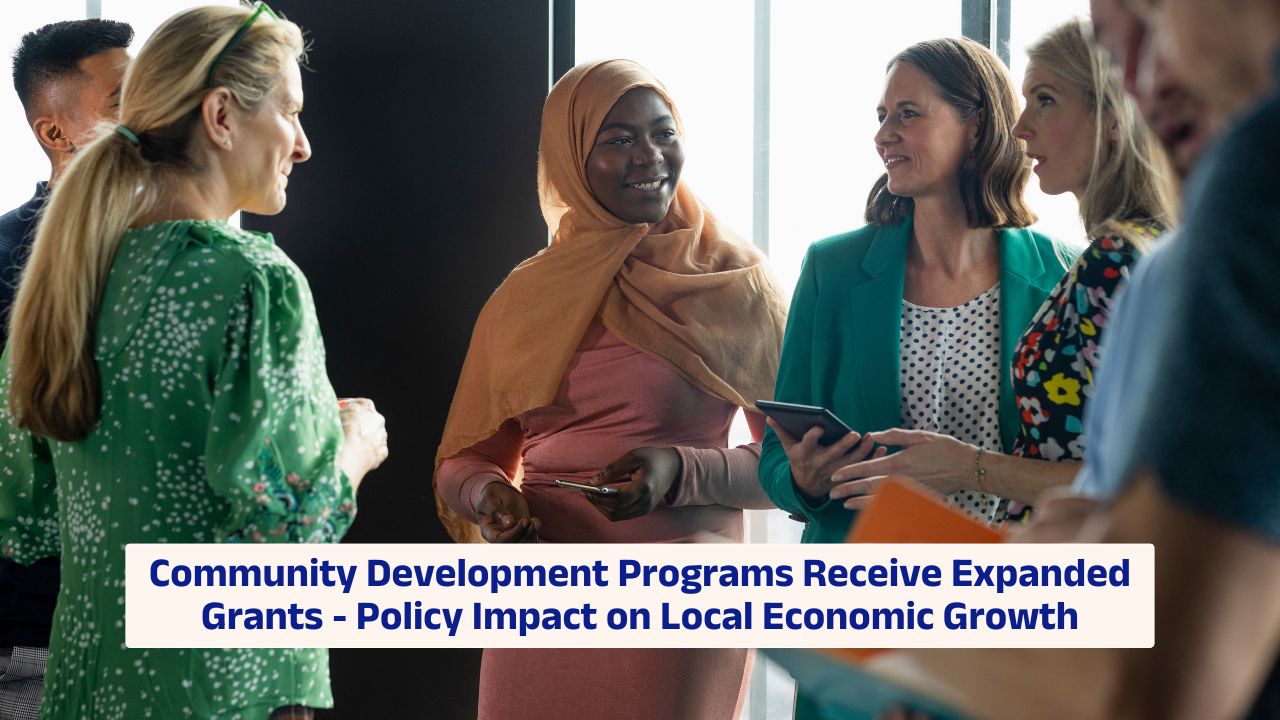
Community development programs are receiving expanded grants in 2026 as governments strengthen investments in local economic resilience, social infrastructure, and inclusive growth.
Policymakers increasingly recognize that sustainable development often begins at the community level, where targeted funding can directly address housing shortages, workforce training, healthcare access, and neighborhood revitalization.
Expanded grant allocations are designed to empower local governments, nonprofit organizations, and community institutions to implement development initiatives that respond to regional priorities.
By providing flexible funding frameworks, governments aim to accelerate local projects that support economic opportunity, social stability, and long-term urban and rural development.
| Key Point | Details |
|---|---|
| Grant Expansion | Governments increased funding for community development initiatives. |
| Local Partnerships | Grants support collaboration with nonprofits and civic organizations. |
| Economic Revitalization | Programs encourage small business growth and workforce training. |
| Infrastructure Support | Funding improves local housing, transportation, and public facilities. |
| Inclusive Development | Programs prioritize underserved communities and rural regions. |
Purpose
Community development grants aim to strengthen local capacity to address economic and social challenges. These funding programs allow municipalities and nonprofit organizations to launch projects that improve living conditions, expand employment opportunities, and strengthen neighborhood infrastructure.
Housing development remains a major focus of many grant initiatives. Funding supports affordable housing construction, rehabilitation of existing housing stock, and programs that help communities address homelessness and housing instability.
According to research from the World Bank community-driven development program, local participation in development planning significantly improves project outcomes. As a result, many governments are expanding grant programs that involve community organizations directly in development decisions.
Funding
The expansion of grant funding reflects broader policy efforts to support inclusive economic growth. Governments are allocating resources through structured grant programs that provide financial assistance to local agencies, nonprofit groups, and regional development authorities.
Many grant frameworks include competitive application processes that evaluate project impact, community engagement, and long-term sustainability. Projects that demonstrate measurable economic benefits or social outcomes often receive priority funding.
Guidelines highlighted by the OECD regional development policy program emphasize that targeted local investments can strengthen economic resilience and reduce regional inequality. Governments are therefore structuring grant programs to ensure that funding reaches communities with the greatest development needs.
Programs
Community development programs supported by expanded grants cover a wide range of initiatives. Economic revitalization projects often focus on supporting small businesses, entrepreneurship training, and workforce development programs that prepare residents for emerging industries.
Education and health programs are also benefiting from increased funding. Community health clinics, vocational training centers, and educational outreach initiatives help strengthen social infrastructure and improve long term community well-being.
Rural development initiatives represent another important area of investment. Many rural communities face infrastructure gaps, limited access to healthcare, and fewer economic opportunities. Targeted grant funding enables these regions to build essential services and improve economic participation.
Impact
Expanded community development grants generate benefits that extend beyond individual projects. Infrastructure improvements, housing development, and workforce training programs help strengthen local economies and support long-term social stability.
Communities that receive sustained development funding often experience improved employment outcomes, better public services, and increased economic activity. Local businesses benefit from stronger consumer demand and improved infrastructure connectivity.
As governments continue to prioritize inclusive growth strategies, community development programs are expected to remain a central component of public policy.
Expanded grant funding provides local institutions with the resources needed to implement meaningful development initiatives that strengthen both economic opportunity and social resilience.
FAQs
What are community development programs?
Programs that improve economic and social conditions locally.
Why are grants expanding in 2026?
Governments aim to support inclusive local development.
Who can receive development grants?
Local governments, nonprofits, and community groups.
What projects do grants support?
Housing, workforce training, infrastructure, and services.
Do grants help rural communities?
Yes, many programs prioritize rural development needs.