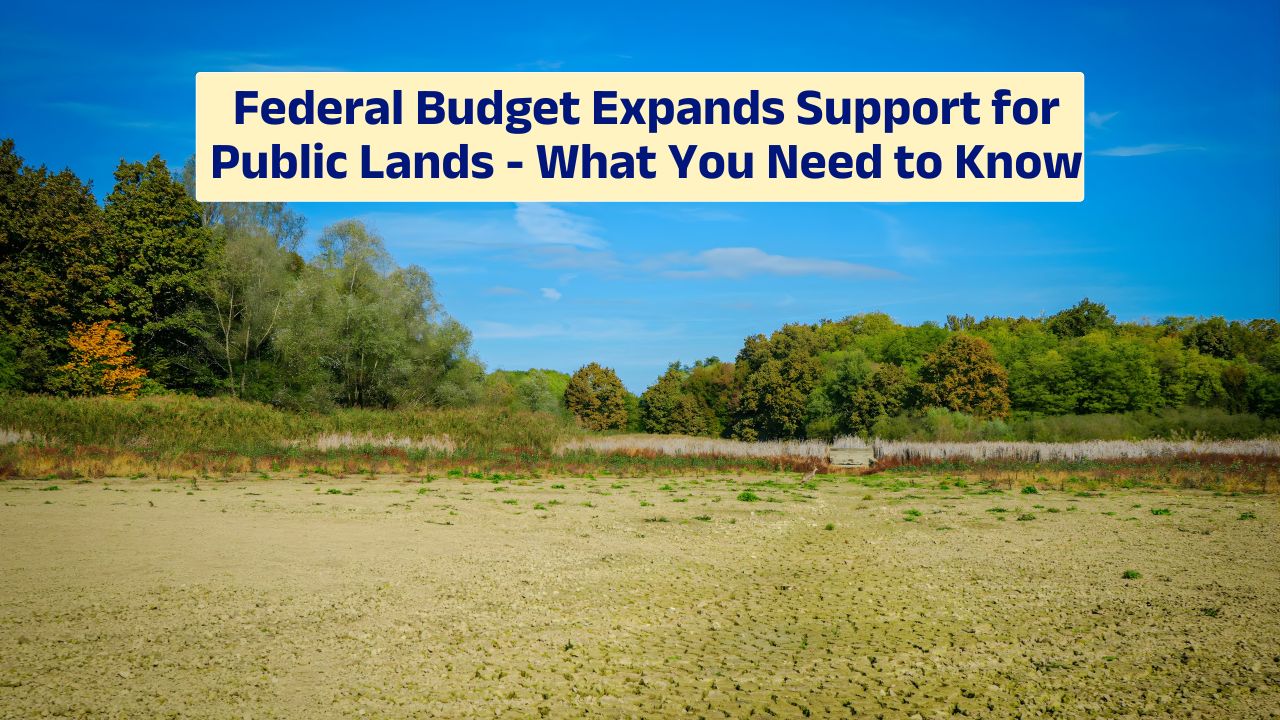
A federal budget is never just a spreadsheet. It reflects priorities, tradeoffs, and the direction policymakers believe the country should take. This year’s proposed federal budget signals a clear shift toward strengthening public land programs, with increased funding aimed at conservation, recreation infrastructure, wildfire resilience, and community access.
Public lands are more than scenic backdrops. They support biodiversity, local economies, outdoor recreation industries, tribal partnerships, and climate resilience efforts. When funding levels change, the effects are visible on the ground, from trail maintenance to habitat restoration.
Funding Shift
The proposed budget includes a notable funding boost for agencies that oversee and manage public lands, including the National Park Service, Bureau of Land Management, and U.S. Forest Service. These agencies collectively manage hundreds of millions of acres across the country.
The increase is designed to address long standing maintenance backlogs, expand conservation programs, and improve visitor infrastructure. Deferred maintenance has been a persistent issue for years.
Aging roads, bridges, water systems, and visitor centers often require more funding than annual appropriations provide. The proposed budget attempts to close that gap more aggressively.
Importantly, this funding is not only about preservation. It also reflects the growing economic value of outdoor recreation, which contributes significantly to employment and regional economies.
Conservation Focus
A substantial portion of the proposal emphasizes conservation initiatives. That includes land restoration projects, habitat protection for threatened species, and expanded conservation partnerships with state governments and tribal nations.
Programs tied to landscape level conservation are expected to benefit. These initiatives typically coordinate across jurisdictions to protect ecosystems rather than isolated parcels of land. The approach recognizes that watersheds, wildlife corridors, and fire risk zones do not follow administrative boundaries.
The proposal also strengthens funding for land acquisition programs designed to preserve critical areas before development pressures intensify. By acting early, agencies can prevent higher long term costs related to habitat fragmentation and environmental degradation.
Wildfire Preparedness
Wildfire resilience has become one of the most urgent public land management issues. Increased funding is expected to support forest thinning, controlled burns, and community fire defense programs.
Climate driven fire intensity has forced agencies to shift from reactive suppression toward proactive mitigation. Budget increases would allow land managers to invest more heavily in prevention strategies, which research consistently shows are more cost effective over time.
For communities located near forested or grassland regions, this funding has direct implications. Better managed landscapes can reduce catastrophic fire risks and associated economic losses.
Recreation Access
Public land visitation has surged in recent years. That growth has stressed trails, campgrounds, and visitor services. The proposed budget dedicates funding to expand recreational access, improve accessibility standards, and modernize facilities.
Infrastructure upgrades are expected to include:
- Trail rehabilitation and erosion control
- Campground improvements
- Modernized visitor centers
- Expanded accessibility for individuals with disabilities
These investments support both conservation and economic activity. Gateway communities often rely on tourism tied to well maintained public lands.
Community Partnerships
The budget proposal also emphasizes collaboration. Tribal governments, local communities, nonprofit organizations, and private partners are increasingly central to land stewardship strategies.
Co management agreements and tribal land restoration initiatives are likely to see expanded support. These partnerships recognize historical land relationships and leverage local expertise in ecological management.
Community driven programs also help ensure that public lands serve diverse populations. Equity initiatives tied to outdoor access, youth engagement, and workforce development are part of the broader funding framework.
Economic Impact
Public land programs have measurable economic implications. Outdoor recreation, conservation jobs, firefighting services, and infrastructure projects all generate employment.
Increased federal investment often stimulates local contracting opportunities. Restoration projects require engineers, biologists, construction crews, and seasonal workers. Tourism driven by well maintained parks supports hospitality and service industries.
While the budget proposal must still pass through congressional negotiation, its direction reflects bipartisan recognition that public lands are economic assets as well as environmental ones.
Political Landscape
Federal budget proposals are starting points rather than final outcomes. Congressional committees will debate allocations, potentially revising funding levels before final approval.
Historically, public land funding has drawn support across party lines, though priorities can differ. Some lawmakers emphasize conservation and climate resilience, while others focus on recreation access and resource development. The final budget will likely balance these perspectives.
What is clear is that public lands remain a central part of national identity and economic strategy. The proposed funding boost signals an knowing that neglecting these lands carries long term costs, both environmental and fiscal.
Strengthening public land programs requires sustained investment, strategic planning, and community collaboration. If enacted, this budget proposal would mark a meaningful step toward addressing maintenance backlogs, wildfire risk, and conservation priorities with greater urgency and financial commitment.
FAQs
What agencies get more funding?
NPS, BLM, and U.S. Forest Service.
Does it address wildfire risks?
Yes, with prevention and mitigation funds.
Will parks improve facilities?
Upgrades for trails and visitor centers.
Is conservation a priority?
Yes, habitat and land protection expand.
Is the budget final?
No, Congress must approve it.