
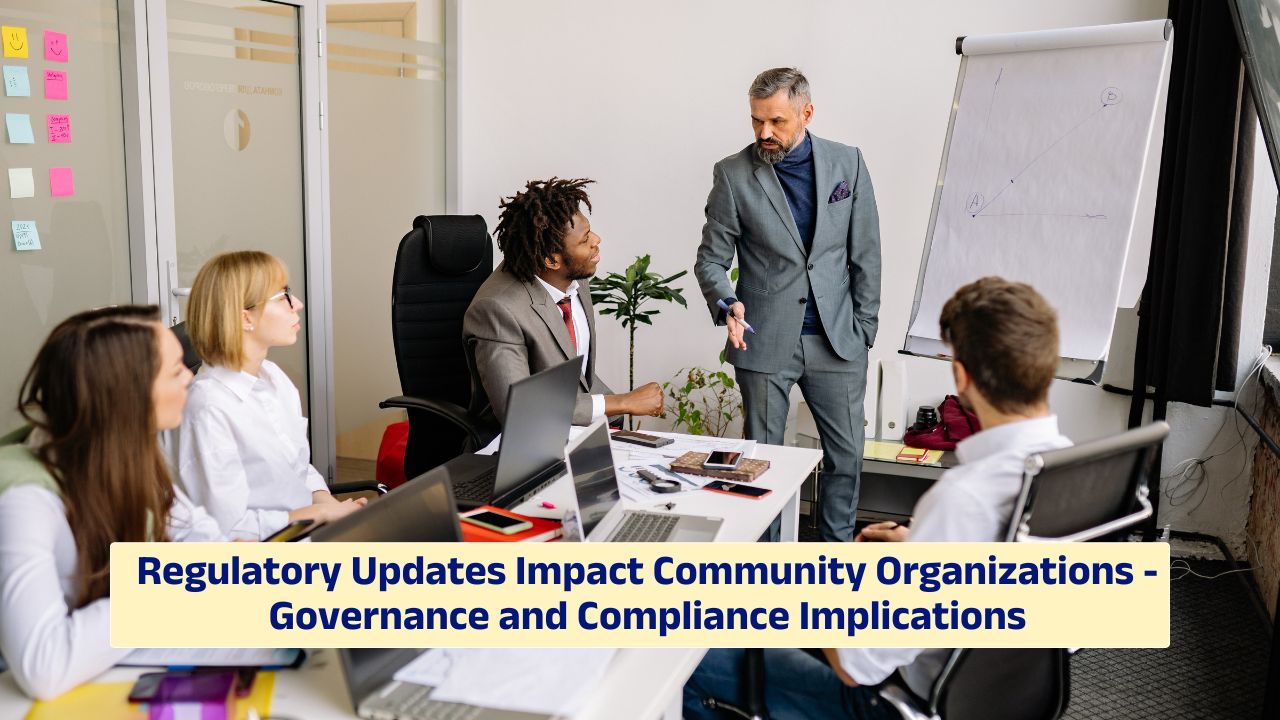
Community-based organizations operate at the front lines of social service delivery, public health outreach, and local development initiatives.
As governments update regulatory frameworks across nonprofit governance, funding compliance, and reporting standards, these organizations are experiencing a period of significant operational adjustment.
Regulatory updates are reshaping how community groups manage programs, secure funding, and maintain accountability.
For many policymakers, stronger regulatory oversight is intended to improve transparency, protect public funding, and strengthen program outcomes. However, the impact on community organizations is complex.
While clearer governance standards can enhance credibility and sustainability, increased compliance requirements may strain limited administrative capacity within smaller grassroots groups.
| Key Point | Details |
|---|---|
| Compliance Expansion | New reporting and governance standards for nonprofit operations |
| Funding Accountability | Stricter tracking of public grants and donor funds |
| Operational Impact | Smaller organizations face higher administrative demands |
| Governance Improvements | Policies encourage stronger leadership and transparency |
| Capacity Building | Training and support programs help organizations adapt |
Drivers
Regulatory changes affecting community-based organizations are often driven by broader public sector reforms. Governments increasingly seek to ensure that nonprofit partners delivering publicly funded programs operate with clear governance structures, financial transparency, and measurable impact.
New frameworks may require enhanced financial disclosures, stronger board oversight, and standardized program reporting. These measures aim to reduce mismanagement risks and ensure that community initiatives deliver measurable outcomes aligned with policy objectives.
International policy bodies such as the OECD regulatory policy framework emphasize accountability and transparency across public and nonprofit sectors. These guidelines are increasingly influencing national regulatory updates affecting community organizations.
Compliance
For many community-based organizations, compliance obligations have expanded significantly. Updated regulations may include mandatory financial audits, standardized reporting formats, and stricter documentation requirements for grant-funded programs.
While these requirements strengthen oversight, they can also increase administrative workloads. Smaller organizations often rely heavily on volunteers and limited staff. Meeting complex reporting standards can divert time and resources away from program delivery.
To address this challenge, many governments and philanthropic institutions are introducing compliance support programs. These initiatives provide training, digital reporting tools, and governance guidance to help organizations meet regulatory standards more efficiently.
Funding
Regulatory updates are also shaping funding structures. Public grants and philanthropic funding streams increasingly require detailed impact reporting and transparent financial management practices.
For community organizations, demonstrating measurable results has become central to funding sustainability. Donors and government agencies now expect evidence-based program evaluation, performance metrics, and long-term community outcomes.
Guidelines published by the National Council of Nonprofits’ governance resources highlight how transparent governance structures can strengthen donor confidence and improve funding stability.
Governance
Improved governance represents one of the most positive outcomes of regulatory reform. Many new frameworks encourage community organizations to establish stronger board oversight, clearer decision-making structures, and ethical accountability practices.
Effective governance can enhance long-term organizational resilience. Clear policies around financial management, leadership accountability, and risk management help organizations build credibility with regulators, funders, and community stakeholders.
In addition, professional governance standards often help organizations scale their impact. Groups that successfully implement these practices are better positioned to secure multi-year grants and participate in larger public service partnerships.
Adaptation
Adapting to regulatory change requires both operational flexibility and capacity building. Many community-based organizations are investing in digital tools for financial management, program tracking, and regulatory reporting.
Partnerships also play an important role. Smaller organizations increasingly collaborate with umbrella networks, nonprofit alliances, and regional support hubs that provide compliance expertise and shared administrative resources.
Training programs for nonprofit leaders are expanding as well. Workshops focused on governance, regulatory compliance, and strategic planning help community organizations navigate evolving policy environments more effectively.
As regulatory frameworks continue to evolve, community-based organizations will remain essential partners in delivering local services and social programs.
Balancing accountability with operational flexibility will be critical to ensuring that regulatory updates strengthen, rather than hinder, the vital role these organizations play in community development.
FAQs
What are community-based organizations?
Local nonprofits that deliver social services and community programs.
Why are regulations changing for nonprofits?
To improve transparency, governance, and funding accountability.
Do regulations affect nonprofit funding?
Yes, funding now often requires stronger reporting and oversight.
How can small organizations manage compliance?
Through training, digital tools, and nonprofit support networks.
Do regulations benefit community organizations?
They can strengthen governance and increase funder trust.