
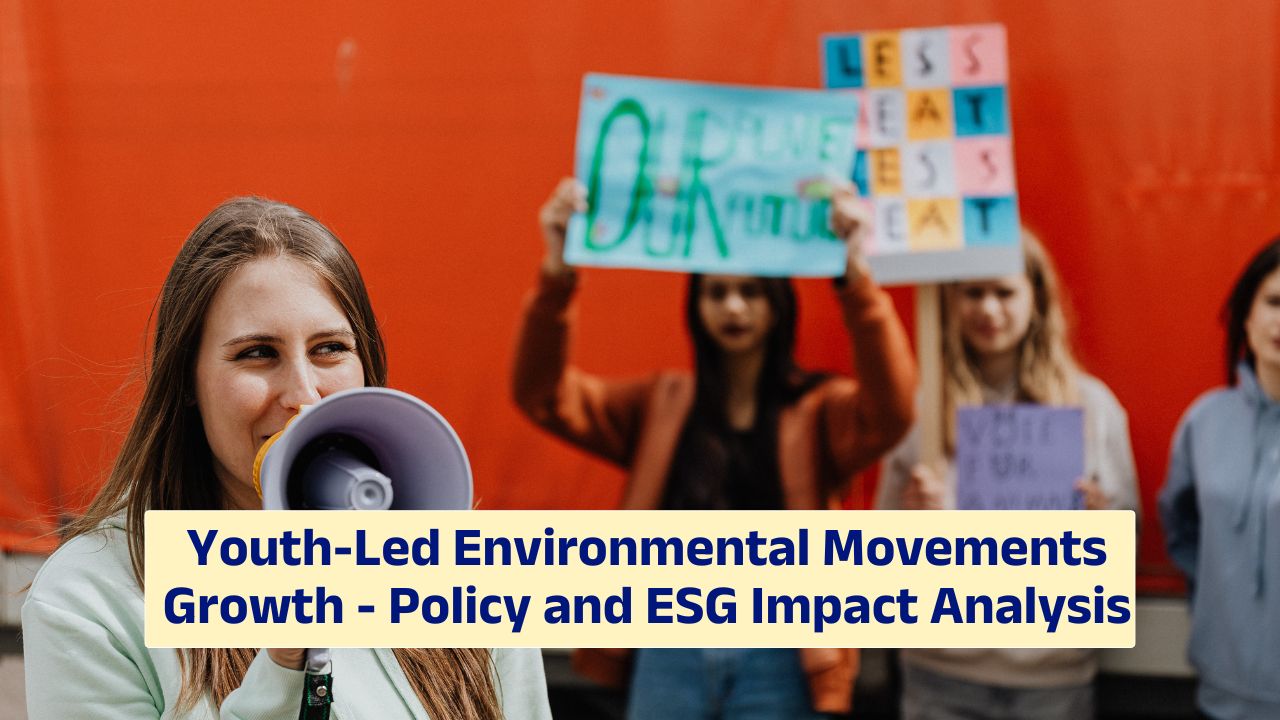
Youth-led environmental movements are reshaping climate discourse, policy advocacy, and corporate accountability at a pace few policymakers anticipated.
What began as localized student protests has evolved into a globally coordinated force influencing legislative agendas, capital allocation, and sustainability commitments.
For governments and businesses alike, this generational shift represents more than activism. It signals structural pressure for systemic environmental reform.
| Key Point | Details |
|---|---|
| Global Mobilization | Cross-border coordination through digital platforms |
| Policy Influence | Direct engagement with lawmakers and climate bodies |
| Corporate Pressure | Demands for net zero targets and ESG transparency |
| Legal Action | Youth climate litigation against governments |
| Economic Impact | Influence on sustainable investment flows |
Momentum
The rapid expansion of youth-led environmental movements is closely tied to digital connectivity. Social media platforms enable decentralized organization, real-time mobilization, and global solidarity. Climate strikes, policy briefings, and investor campaigns can now be coordinated across continents within hours.
Movements such as Fridays for Future demonstrate how student-driven initiatives have matured into structured advocacy networks. What distinguishes this generation is not only urgency, but strategic sophistication in messaging and coalition building.
These groups frame climate change as both an environmental and an intergenerational equity issue. That framing has broadened public engagement beyond traditional environmental constituencies.
Leadership
Youth leaders have transitioned from symbolic protest figures to recognized policy influencers. International forums increasingly include youth representatives in climate dialogues. Their participation has shifted from observer status to advisory influence.
Organizations like the United Nations Youth Climate initiatives provide formal channels for youth input into multilateral negotiations. This institutional access amplifies their policy leverage.
Importantly, youth leadership is geographically diverse. Activists from the Global South have drawn attention to climate justice, adaptation funding, and loss and damage frameworks. The narrative has expanded beyond emission reduction to encompass resilience and equity.
Policy
Youth-led environmental movements increasingly influence national and local policy debates. Legislative hearings, climate action plans, and sustainability frameworks now regularly reference youth advocacy positions.
In several jurisdictions, climate commitments have been strengthened following sustained youth mobilization. While direct causality is complex, the political cost of inaction has undeniably risen.
Youth activists are also engaging in structured policy analysis. They submit draft recommendations, collaborate with environmental lawyers, and partner with research institutions. This evolution from protest to policy engagement reflects strategic maturity.
Legal action represents another frontier. Youth climate litigation cases argue that insufficient environmental protection violates constitutional or human rights principles. These cases have elevated climate risk to judicial review in multiple countries.
Corporate
The corporate sector faces increasing scrutiny from youth-led environmental movements. Campaigns target fossil fuel financing, supply chain emissions, and corporate lobbying practices.
Public demonstrations have been complemented by shareholder activism and investor engagement. Youth advocates collaborate with ESG analysts to push for measurable sustainability disclosures.
Companies now recognize that brand reputation among younger demographics is closely tied to environmental performance. As this generation becomes a dominant consumer and workforce segment, corporate climate strategy becomes a competitive differentiator.
The demand is no longer limited to aspirational pledges. Activists call for science-based targets, transparent reporting, and clear timelines. Vague commitments are quickly challenged in public forums.
Economics
Youth-led environmental movements also influence capital markets indirectly. Institutional investors increasingly assess climate risk as a financial materiality issue. Public pressure accelerates this integration.
Green bonds, sustainable funds, and impact investing vehicles have expanded significantly. While market growth cannot be attributed solely to youth activism, sustained visibility has normalized climate considerations in investment discourse.
Economic narratives are shifting as well. Climate action is framed not merely as environmental responsibility but as an innovation opportunity. Renewable energy, circular economy models, and sustainable infrastructure are positioned as growth sectors.
Youth voices reinforce this economic framing by advocating for just transitions that protect workers while decarbonizing industries.
Outlook
Youth-led environmental movements show no signs of contraction. If anything, institutional integration and policy access are increasing their durability.
The strategic question for policymakers and corporate leaders is not whether youth activism will persist, but how to engage constructively. Dismissing the movement risks reputational and political consequences.
Sustained growth reflects a generational recalibration of environmental expectations. Climate governance, corporate accountability, and sustainable finance are no longer niche debates. They are mainstream priorities shaped in large part by youth advocacy.
As these movements mature, their influence is likely to become more structured, data-driven, and legally sophisticated. For institutions navigating climate transition, knowing this dynamic is not optional. It is a strategic imperative tied to long-term legitimacy and operational resilience.
FAQs
What drives youth climate activism?
Climate urgency and intergenerational equity.
Do youth movements influence policy?
Yes, through advocacy and legal action.
How do companies respond?
By setting targets and improving ESG disclosure.
Are youth movements global?
Yes, coordinated across multiple regions.
Will activism continue to grow?
Growth is likely as climate risks intensify.